


News & Insights
In-depth articles, product stories, and thought leadership from Solargy.
From Sunlight to Charging: How Solar Panels and Batteries Power a Smart Solar Umbrella
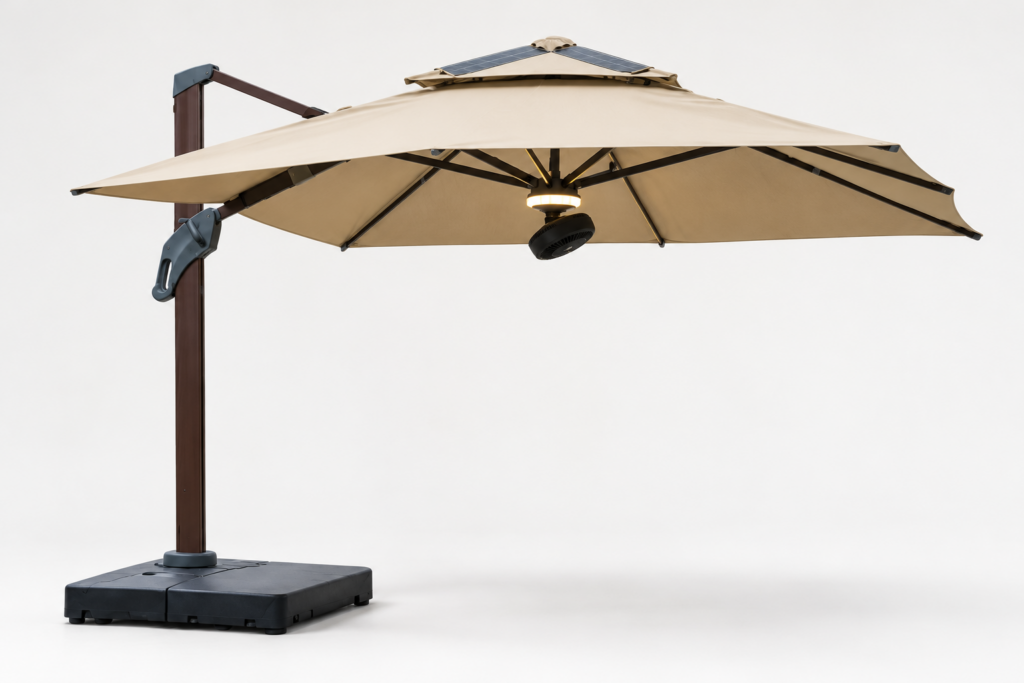
A smart solar umbrella is more than a shade structure with a panel on top. Its solar panel, charge controller, battery and output devices must work as one coordinated energy system. When these parts are matched correctly, daytime sunlight can support lighting, airflow and convenient device charging after sunset.

1. The solar panel converts available sunlight into usable power
The panel mounted above the canopy receives sunlight and produces direct-current electricity. A semi-flexible panel is useful for an outdoor umbrella because it can follow the product’s form more closely than a conventional rigid module while keeping the canopy assembly visually integrated.
Actual energy generation changes throughout the day. Panel orientation, shade from nearby buildings or trees, seasonal sun angle, surface cleanliness and weather all influence the available input. For this reason, system design should be based on the project location and expected daily loads rather than panel appearance alone.
2. The charge controller manages the flow of energy
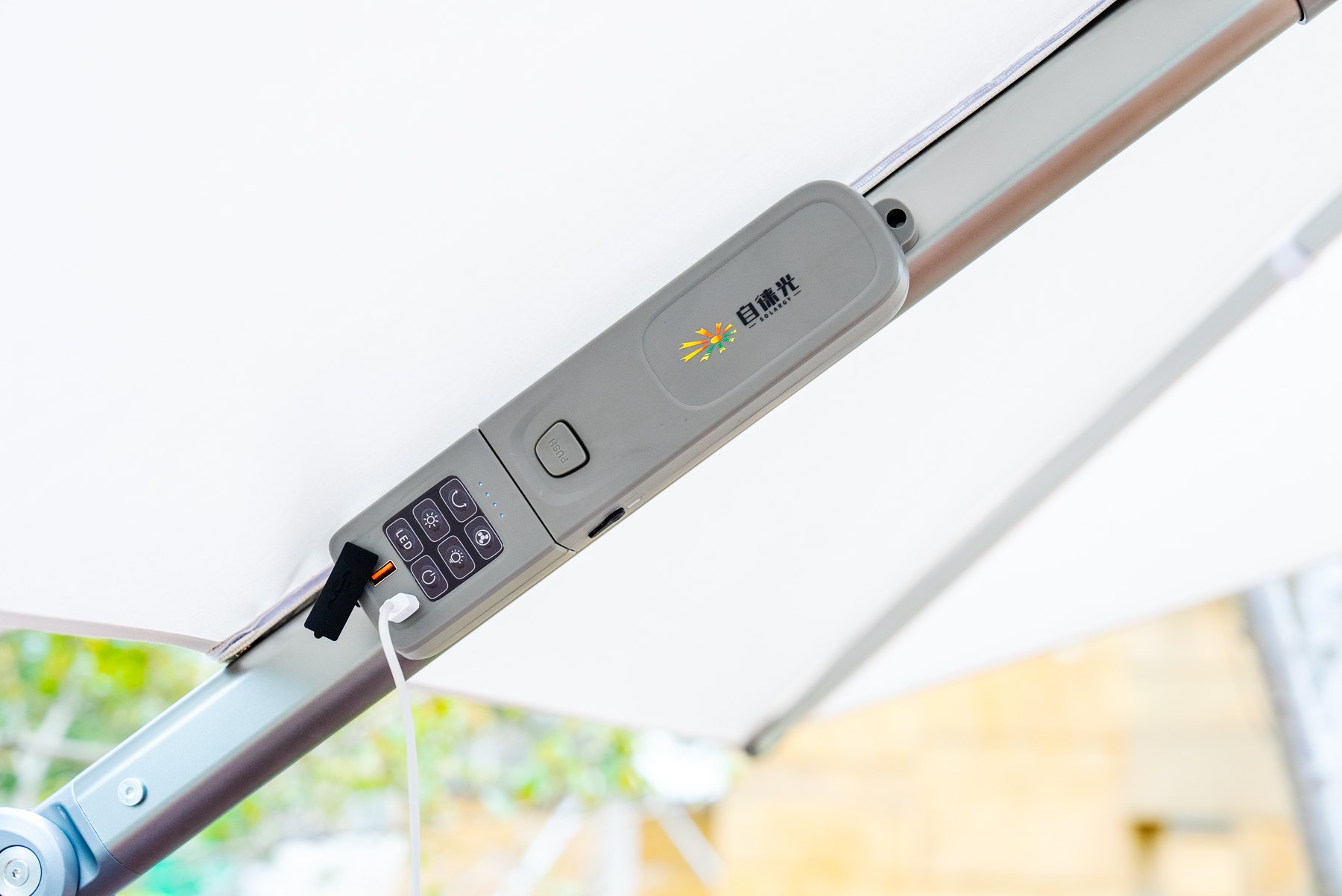
The charge controller sits between the solar panel and battery. It regulates the incoming voltage and current, manages charging and helps protect the storage system from unsuitable operating conditions. In a well-integrated umbrella, cables and connectors are routed through protected structural areas so the electrical system remains organized and serviceable.
3. The battery stores daytime energy for later use
The battery is the bridge between changing sunlight and predictable user functions. During periods of sufficient solar input, the controller directs energy into storage. The battery can then supply power when clouds reduce panel output or when the umbrella is used in the evening.
Battery selection should consider usable capacity, expected charge and discharge cycles, operating temperature, enclosure protection and compatibility with the controller. A larger battery is not automatically better: panel input, intended loads, installation conditions and service requirements need to be balanced as one system.
4. Stored energy supports lighting, airflow and charging
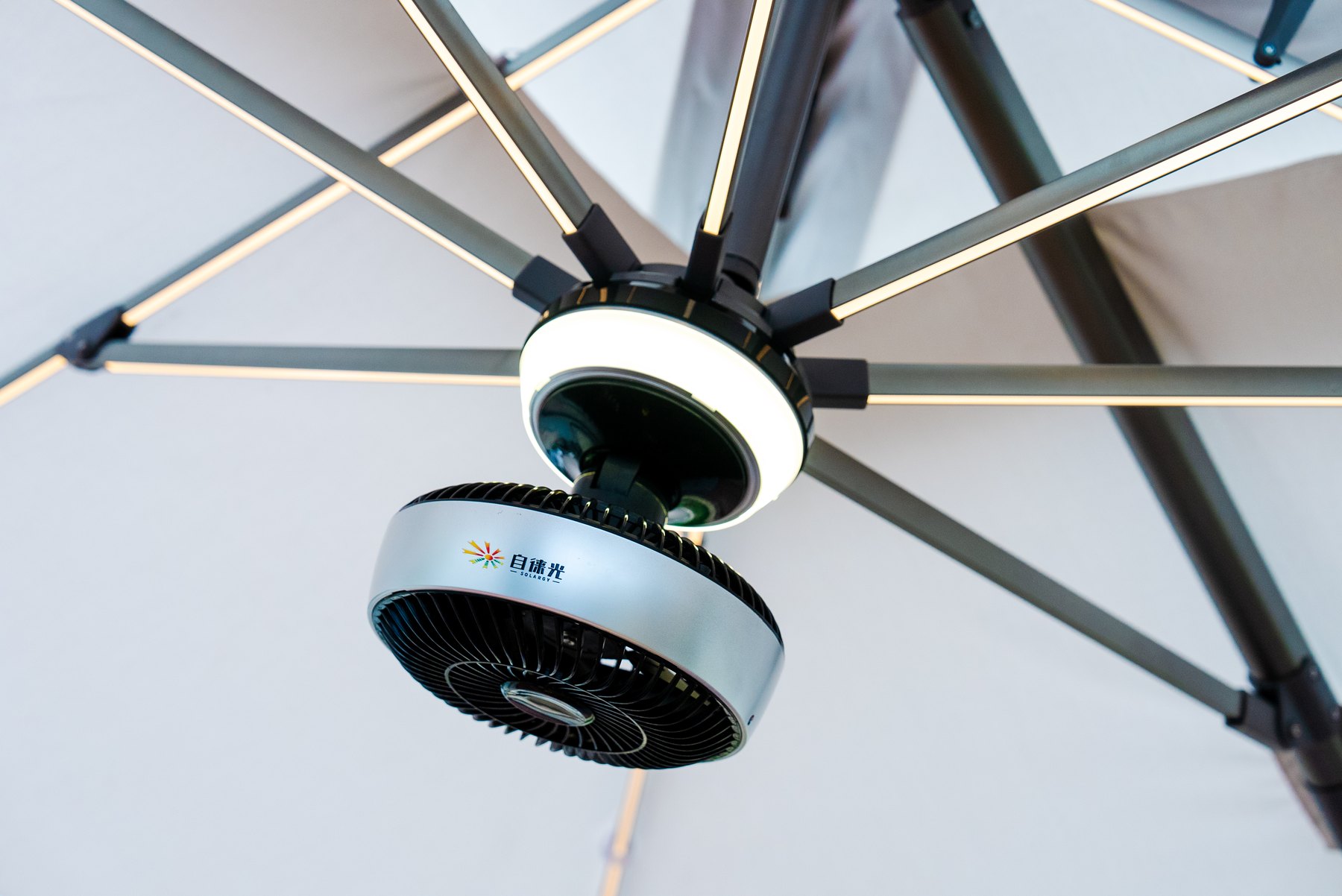
After storage, power is distributed to the umbrella’s electrical functions. Depending on the selected configuration, these may include LED lighting, a cooling fan, USB charging or other low-voltage accessories. Load priority matters. Lighting may be the essential evening function, while airflow and external device charging create additional demand that should be included in energy planning.
The complete energy path
| Stage | Function | What buyers should check |
|---|---|---|
| Solar panel | Generates DC electricity from sunlight | Panel type, mounting, exposure and weather resistance |
| Charge controller | Regulates energy entering the battery | Electrical matching, protection strategy and service access |
| Battery | Stores energy for cloudy periods and evening use | Usable capacity, cycle life, temperature range and enclosure |
| Output system | Powers lights, fan and charging interfaces | Load priority, port type, cable routing and user controls |
What determines real-world charging performance?
- Solar availability: Clear, unobstructed exposure improves the amount of energy collected during the day.
- System matching: The panel, controller, battery and connected loads should be sized together.
- Operating schedule: Longer evening lighting or frequent device charging requires more stored energy.
- Environmental conditions: Heat, cold, moisture, dust and coastal exposure influence component selection and maintenance.
- Energy management: Clear controls and sensible load priorities help preserve power for the most important functions.
A practical checklist for project buyers
- Define which functions are required: lighting, fan, USB charging or a customized combination.
- Estimate how many hours each function will operate on a typical day.
- Review the installation site for shade, sun direction and seasonal changes.
- Confirm battery, controller and connector protection for the intended climate.
- Ask how electrical components can be inspected or replaced during routine service.
- Test the complete system—not only the solar panel—before shipment and installation.
Design the system around the application
A reliable solar umbrella depends on the relationship between generation, storage and consumption. Solargy can configure solar panels, batteries, controls, lighting, airflow and charging functions around the needs of hospitality, commercial and customized outdoor projects. Final capacities, interfaces and operating times should always be confirmed against the installation environment and selected product configuration.
Related Articles
 Factory
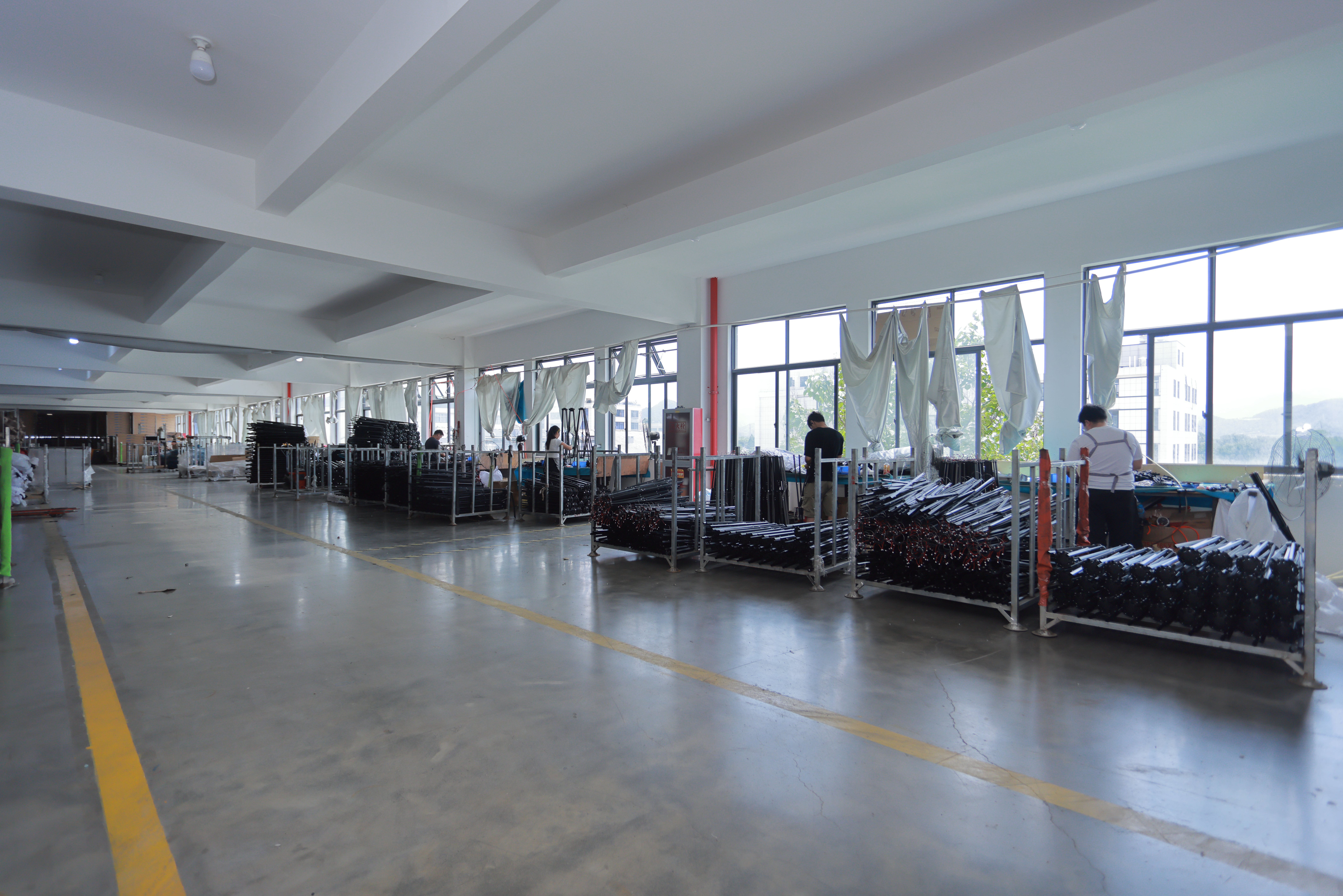
Inside Solargy’s Production Process: From Components to Final Testing
Follow every solar umbrella from component to final testing as Solargy's factory details its quality control steps and manufacturing process.
Read More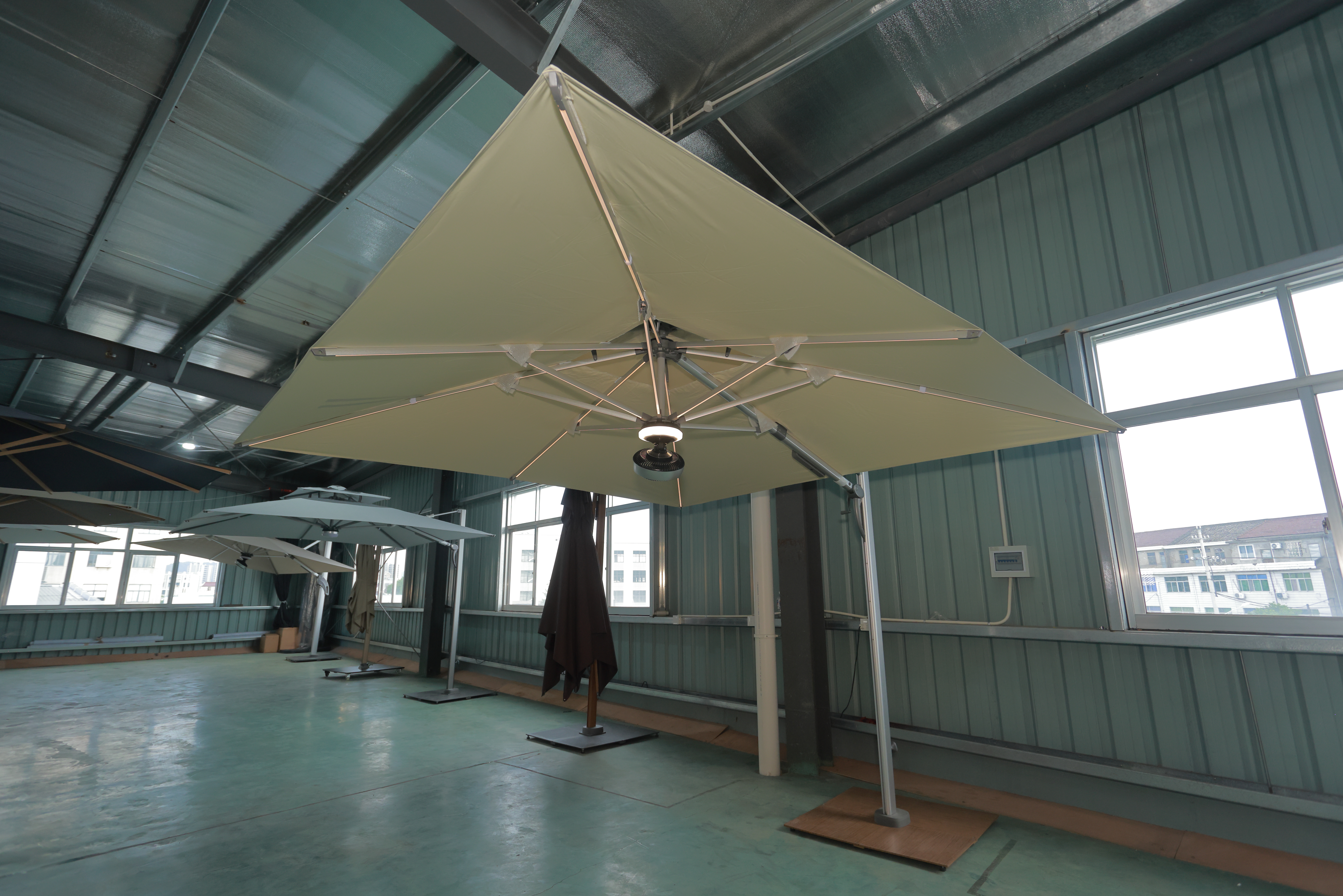 Solar Energy
20W vs 40W Solar Umbrellas: How to Choose the Right Power Configuration
Compare 20W and 40W solar umbrella systems by energy demand, battery capacity and nightly runtime to choose the right setup for each outdoor application.
Read More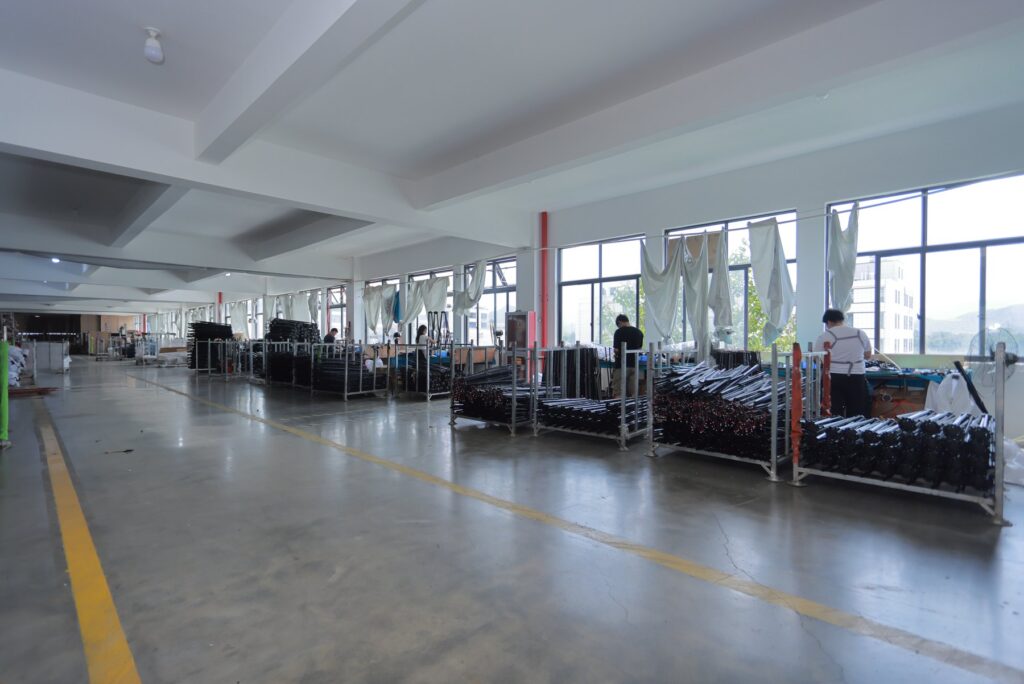 Factory
What Makes a Solar Umbrella Commercial-Grade? 7 Details Buyers Should Inspect
Inspect frame load paths, canopy seams, solar sizing and controls to tell a commercial-grade solar umbrella from a residential one before you buy.
Read More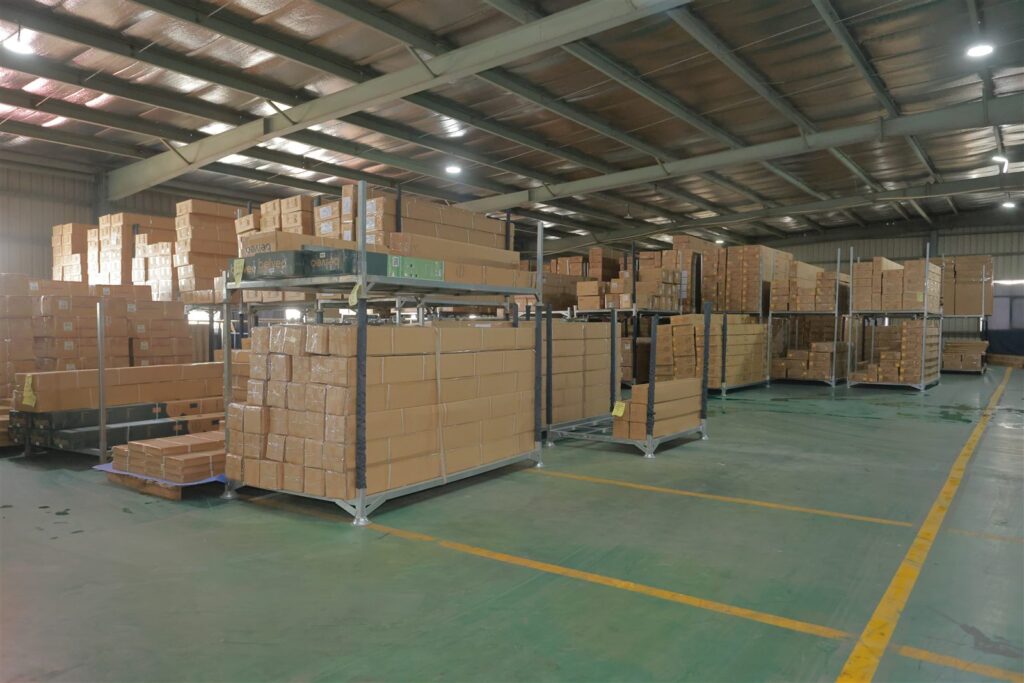 Factory
How OEM/ODM Solar Umbrella Orders Move from Batch Production to Export Packing
See how OEM/ODM solar umbrella orders move from batch production to export packing, with factory workflow steps for custom solar umbrella projects.
Read More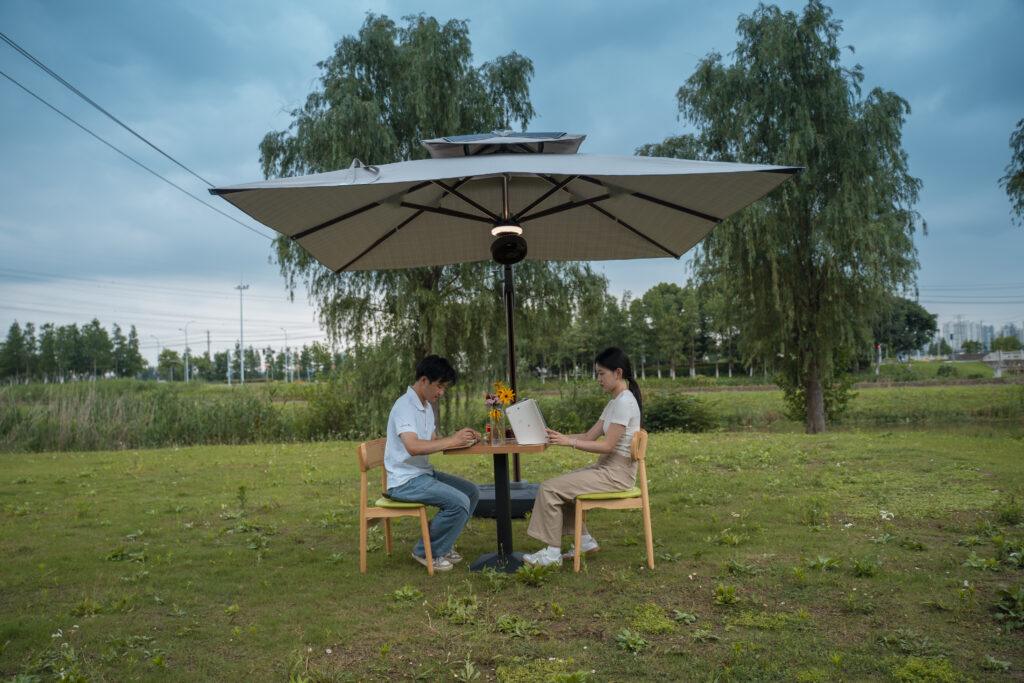 Solar Energy
From Sunlight to Evening Comfort: How a Solar Umbrella Manages Energy
See how a solar umbrella manages energy from sunlight to evening comfort, using semi-flexible solar panels and smart power control for outdoor use.
Read More Factory
OEM and ODM Solar Umbrella Customization: What Buyers Can Specify
See what buyers can specify for OEM and ODM solar umbrella customization, from patio umbrella options to ODM manufacturing details.
Read More