


News & Insights
In-depth articles, product stories, and thought leadership from Solargy.
What We Test Before a Smart Solar Umbrella Leaves the Factory
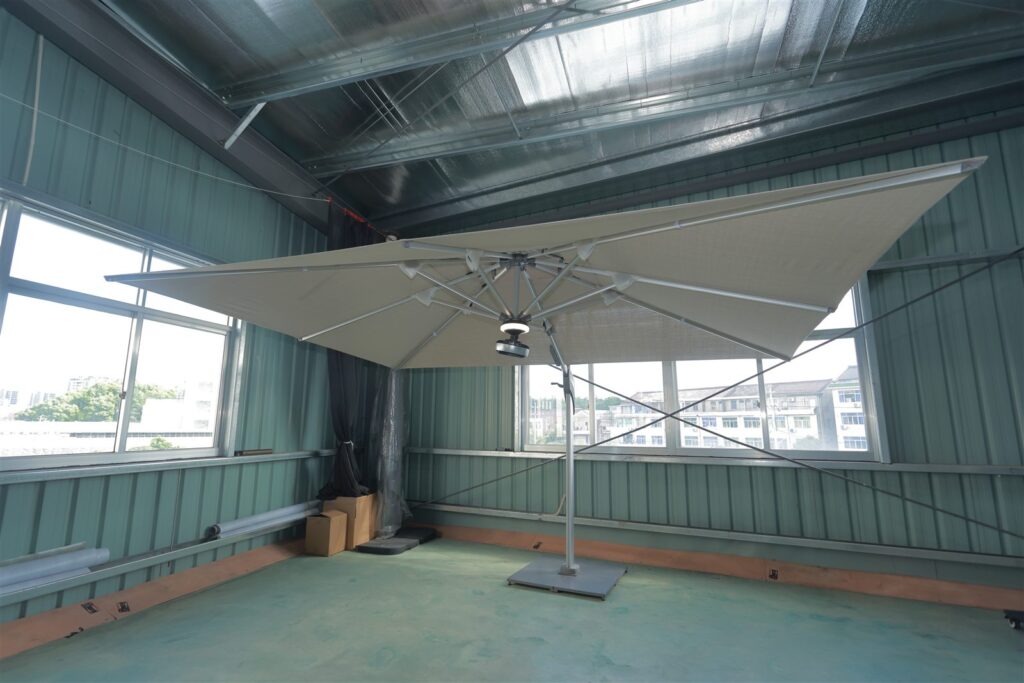
A smart solar umbrella combines a large outdoor structure with energy generation, storage and user-facing functions. It may provide lighting, airflow, charging or coordinated controls, all while performing the fundamental job of reliable shade. Before shipment, these elements need to be reviewed together.
Factory testing is designed to find practical issues before the product reaches a hotel terrace, café, villa, beach area or public space. The process covers the frame, canopy, electrical functions and final presentation.
1. Visual and structural inspection
The first check confirms that the correct components, finish and canopy have been assembled for the order. Technicians review the frame surface, visible connections, canopy fit and overall alignment. The umbrella is opened to confirm that the structure supports the canopy evenly.
For project orders, visual consistency matters across the whole batch. Color, component placement and accessory configuration should match the approved specification.
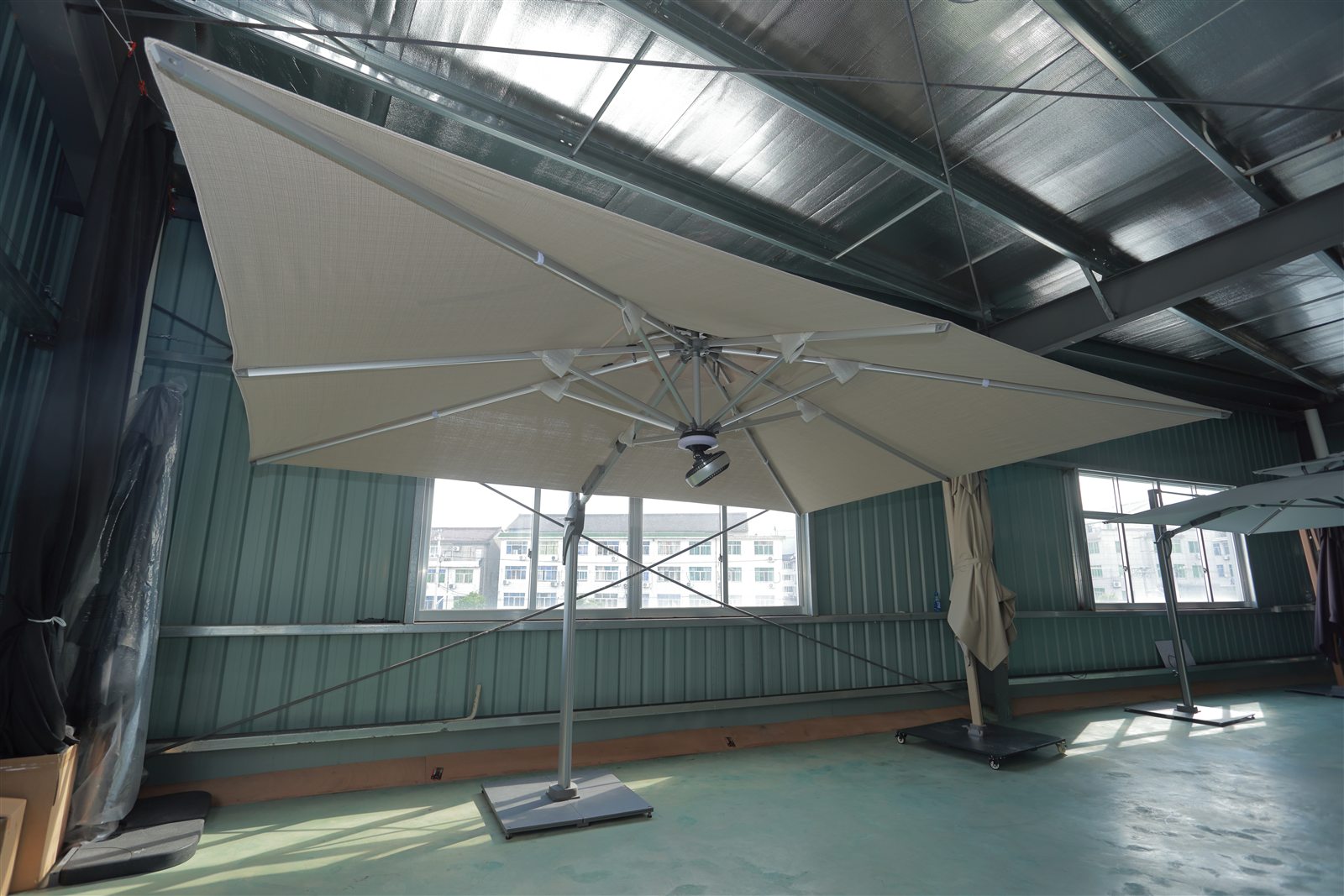
2. Operating the opening and positioning system
Moving parts are checked through normal operating actions. The team looks for smooth travel, appropriate resistance and secure positioning. The purpose is to confirm that the umbrella can be handled predictably by staff or owners in day-to-day use.
This check can also reveal alignment issues that are less obvious when the product is closed. Correcting them at the factory helps make on-site setup more straightforward.
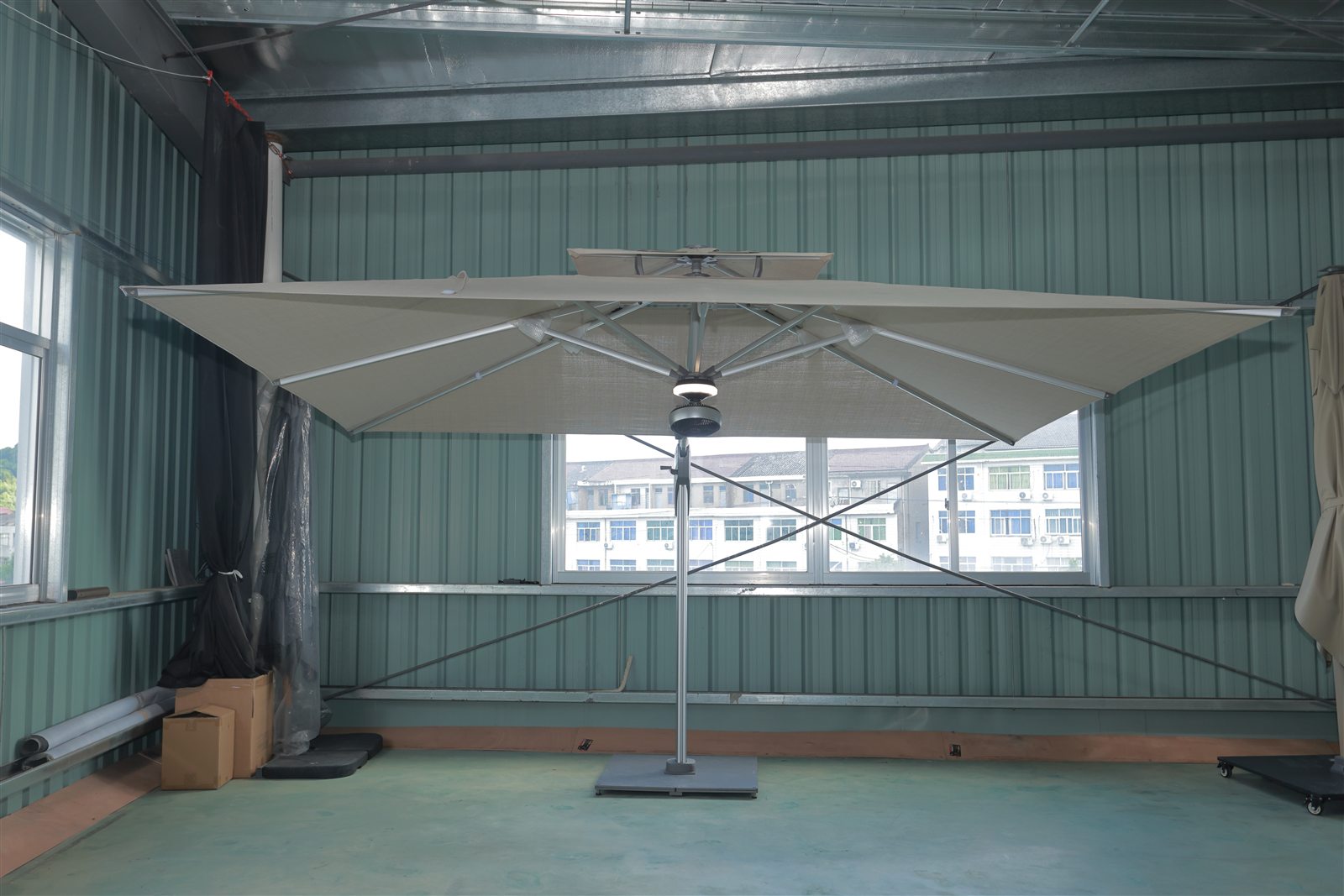
3. Checking lighting and control functions
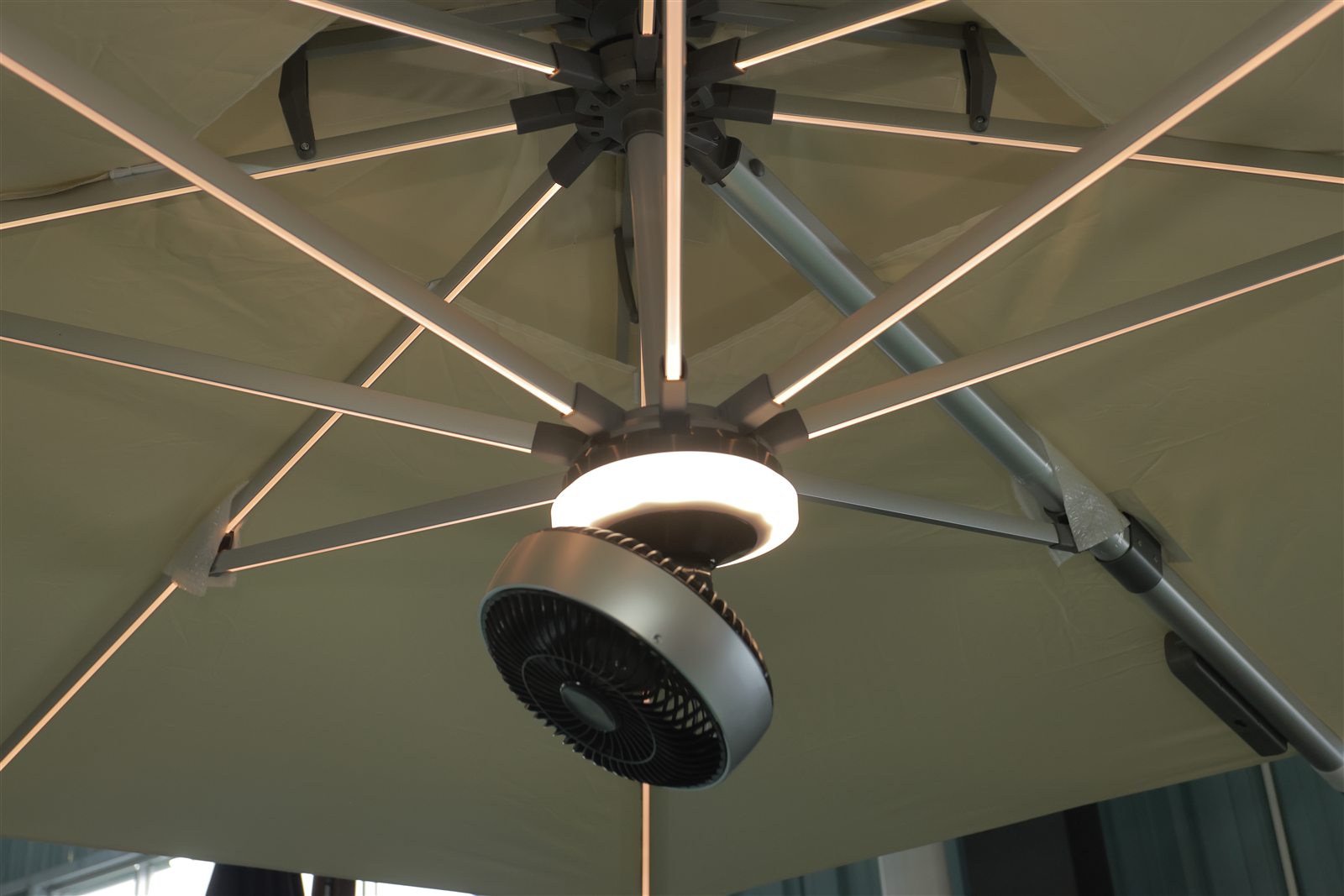
Integrated lighting is one of the most visible benefits of a solar umbrella after sunset. The system is switched on and reviewed for response and consistent output. Control functions are checked in the intended operating sequence so the user interface and connected components work together.
Where the configuration includes multiple features, the team confirms that each function corresponds to the correct control and that installation is neat beneath the canopy.
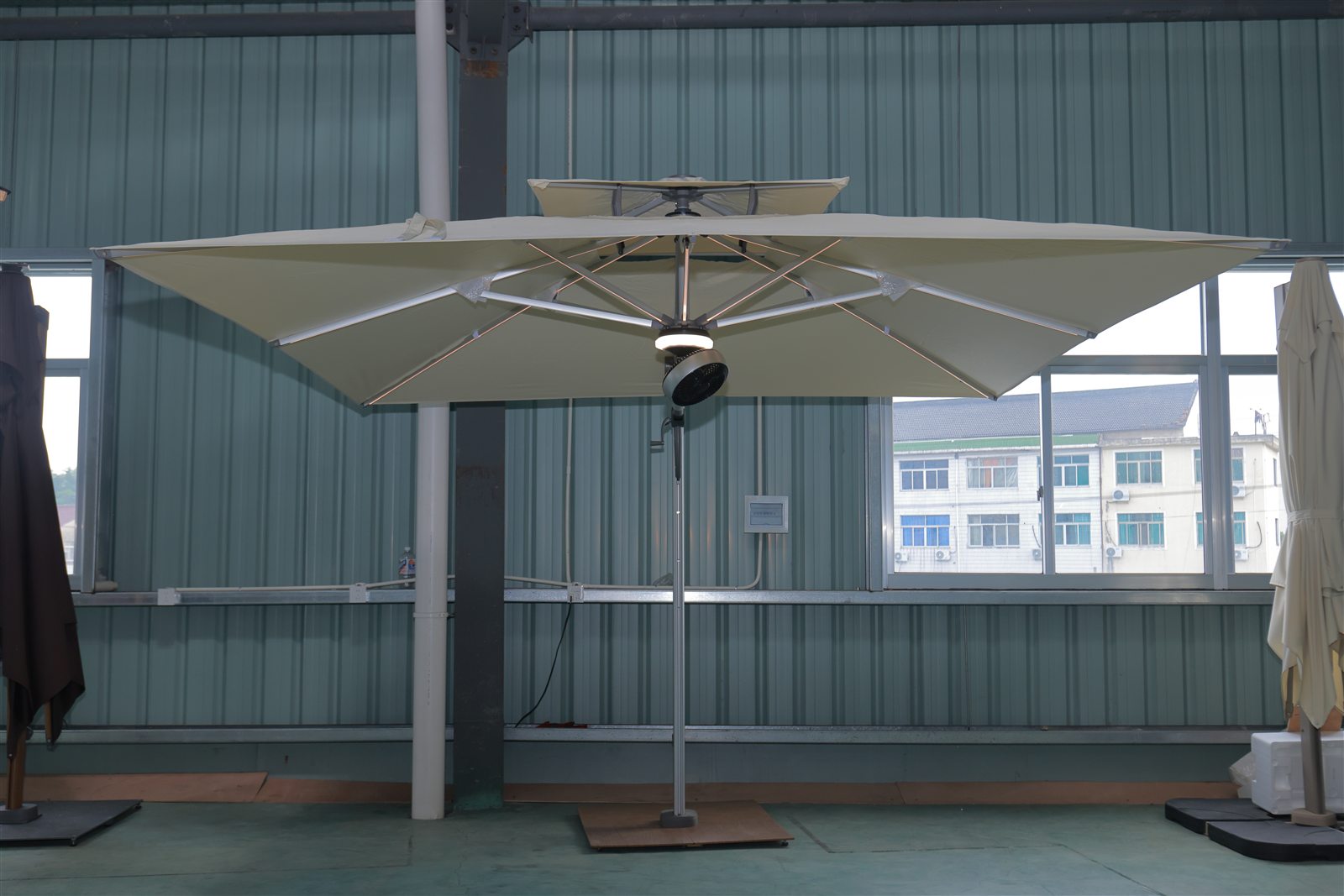
4. Reviewing power connections and accessories
Solar-energy systems include several connected elements: the solar module, wiring, controller, battery and output devices. The exact configuration varies by model, but connections must be secure and protected from unnecessary movement.
Charging ports, fans or other accessories are checked according to the product specification. Cable routing and component mounting are also reviewed so the system remains organized and serviceable.
5. Final cleaning, documentation and packing preparation
After functional checks, the umbrella is prepared for delivery. Visible surfaces are cleaned, detachable items are organized and protective packing is selected for the frame, canopy and accessories. Clear identification helps customers match components during installation, particularly for multi-unit projects.
Packing is part of quality delivery. A product that passes inspection still needs appropriate protection through warehouse handling and transport.
One product, one coordinated inspection
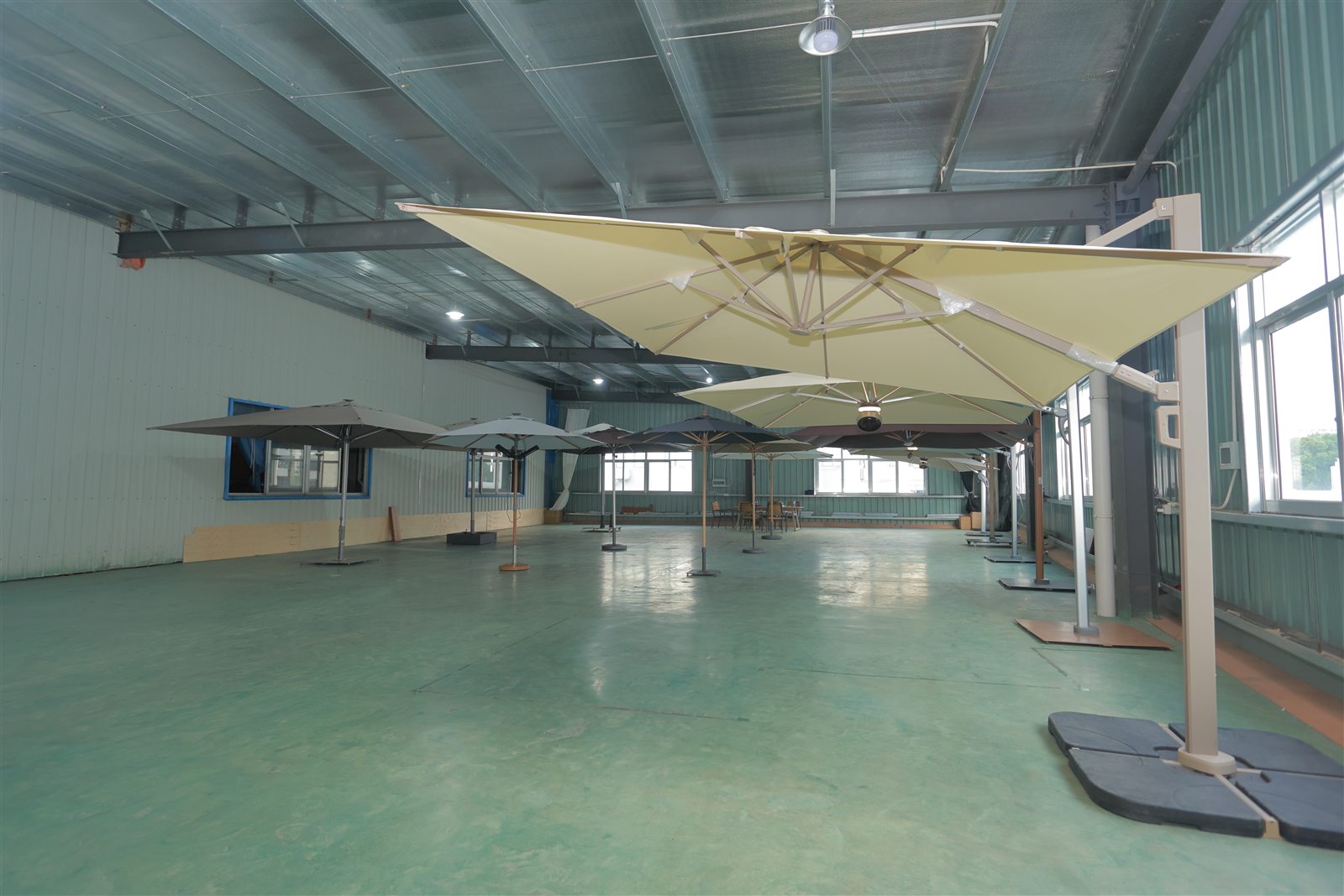
Testing a smart solar umbrella is not the same as checking a conventional shade product or an isolated electronic device. The most useful inspection considers how the structure and functions perform together in the finished configuration.
Solargy's production team uses this integrated view to prepare products for commercial and residential projects. Buyers can also discuss configuration-specific inspection needs during OEM/ODM development, helping align factory checks with the intended market and application.
Related Articles
 Solar Energy
From Sunlight to Evening Comfort: How a Solar Umbrella Manages Energy
See how a solar umbrella manages energy from sunlight to evening comfort, using semi-flexible solar panels and smart power control for outdoor use.
Read More Applications
Five Smart Features That Improve Outdoor Hospitality Spaces
Explore five smart features that improve outdoor hospitality spaces, from Bluetooth umbrellas to fan and LED integration, designed for guest comfort.
Read More Applications
More Than Shade: How Solar Umbrellas Increase Guest Dwell Time and Commercial Value
See how solar umbrellas add shade, airflow, lighting and charging to commercial patios, helping cafés, resorts and villas extend guest dwell time.
Read More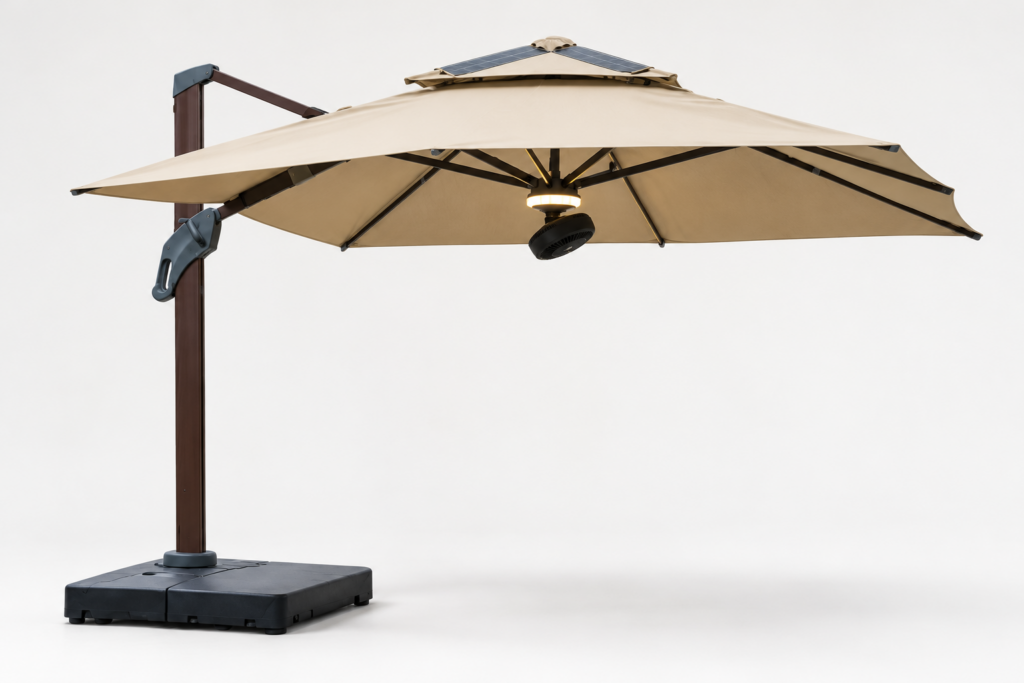 Solar Energy
From Sunlight to Charging: How Solar Panels and Batteries Power a Smart Solar Umbrella
See how solar panels and batteries work together in a smart solar umbrella, turning sunlight into charging power for outdoor energy use.
Read More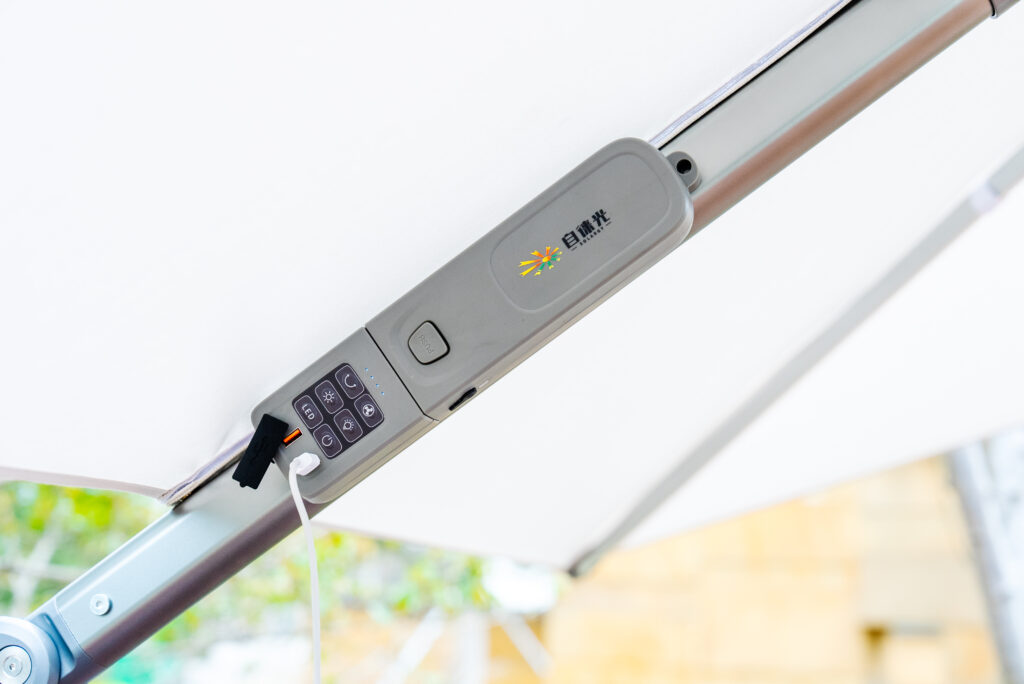 Factory
One Control Hub, Multiple Functions: A Simpler Way to Operate Smart Solar Umbrellas
Discover how one control hub simplifies operating smart solar umbrellas, combining multiple functions for easier outdoor use.
Read More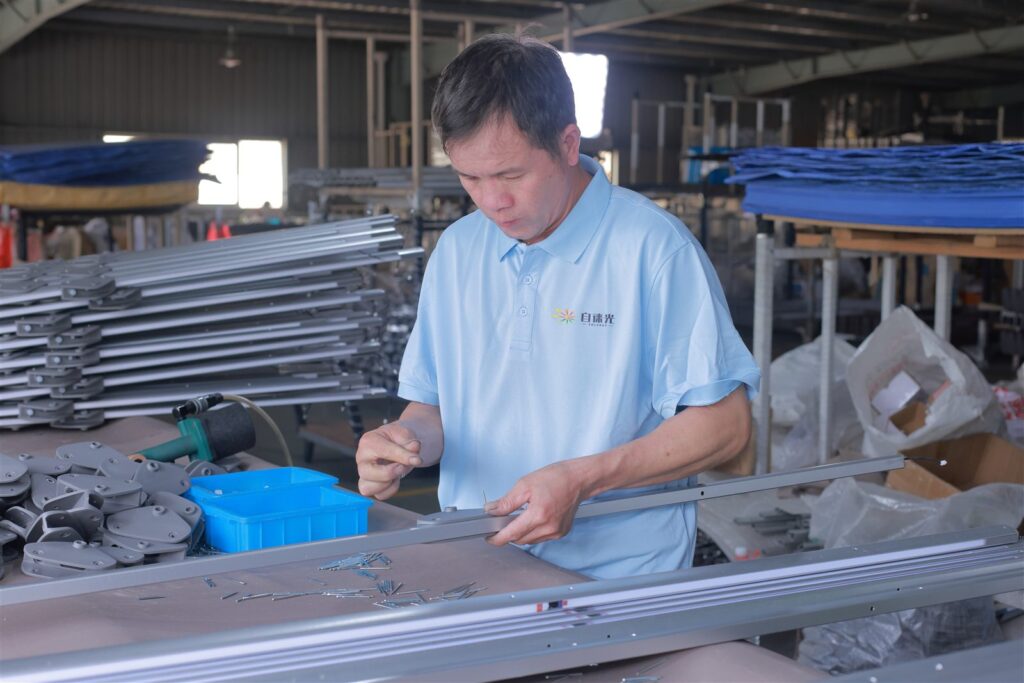 Factory
Why Assembly Accuracy Matters in Cantilever Patio Umbrellas
Learn why assembly accuracy matters in cantilever patio umbrellas and how precise fitting supports stable, reliable outdoor performance from Solargy.
Read More