


News & Insights
In-depth articles, product stories, and thought leadership from Solargy.
How OEM/ODM Solar Umbrella Orders Move from Batch Production to Export Packing
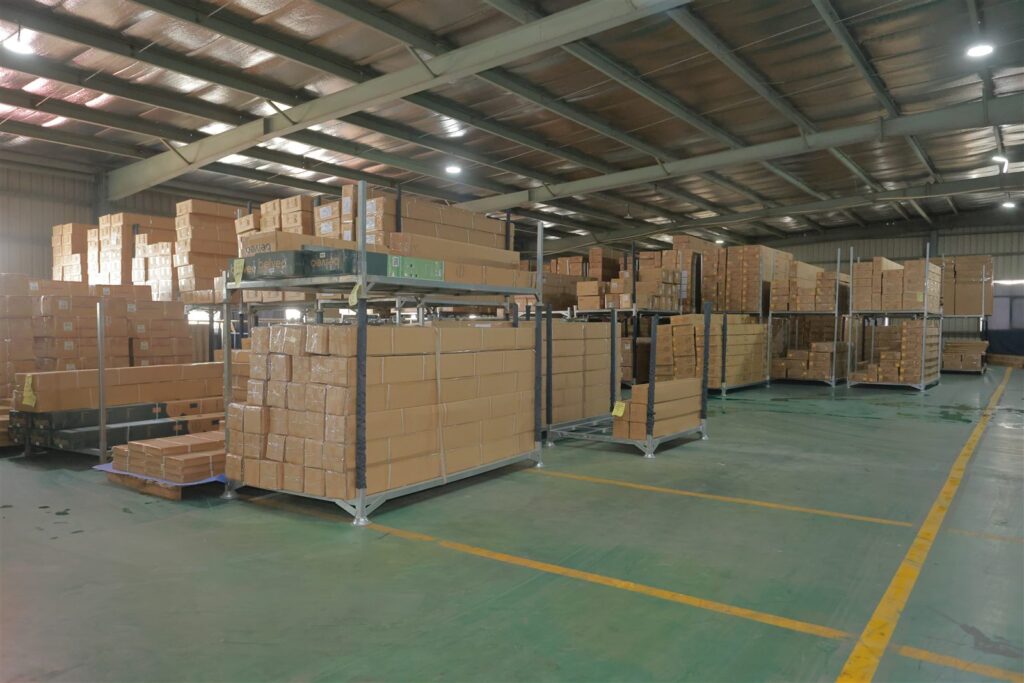
Approving a solar umbrella sample is an important milestone, but commercial delivery depends on what happens next. A factory must translate the approved specification into repeatable production, coordinate multiple components and prepare every unit for transport and installation.
For distributors, hospitality groups and private-label brands, this stage determines whether the final shipment arrives as a consistent system rather than a collection of unrelated parts.
1. Freezing the production specification
Before batch production begins, the order details are confirmed: frame model and finish, canopy size and color, solar-power configuration, lighting or fan options, controls, bases, accessories, labels and packing requirements.
Clear documentation reduces ambiguity on the workshop floor. It also gives purchasing, production, inspection and packing teams the same reference when checking the order.

2. Coordinating components across the batch
A smart solar umbrella includes structural, textile and electrical parts. These workstreams progress at different rates, so production coordination is essential. Frames, canopies, solar modules, batteries, controls and accessories need to arrive at final assembly in matched sets.
Batch organization helps reduce mix-ups between models or customized configurations. It is particularly important when one shipment contains multiple colors, branding versions or accessory combinations.
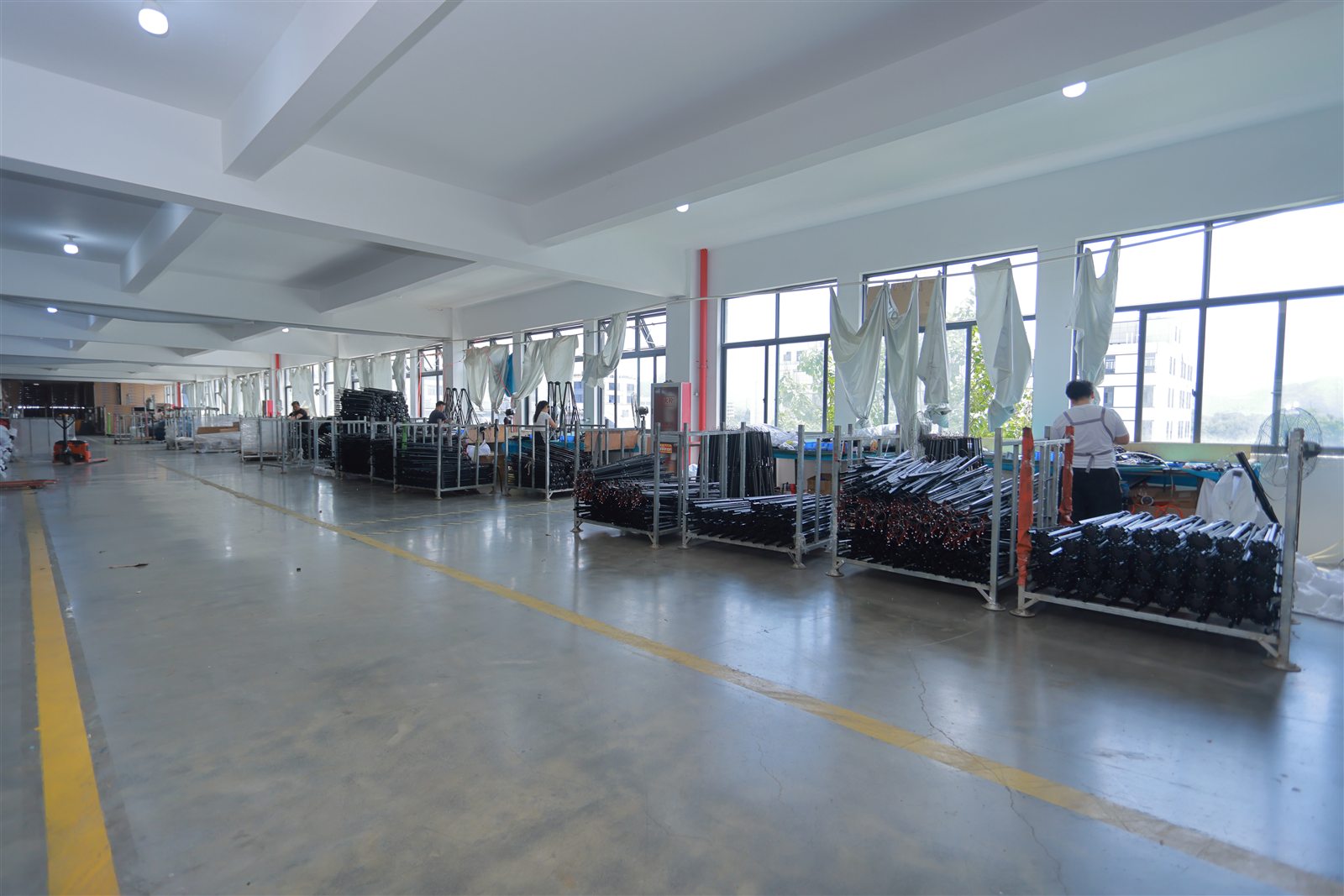
3. Maintaining consistency during assembly
The approved sample establishes expectations for appearance and function. During batch assembly, teams follow the same component positions, connection methods and operating checks so one unit does not differ unnecessarily from the next.
Consistency is valuable for end users and for service teams. Standardized layouts make installation clearer and future replacement or maintenance easier to manage.
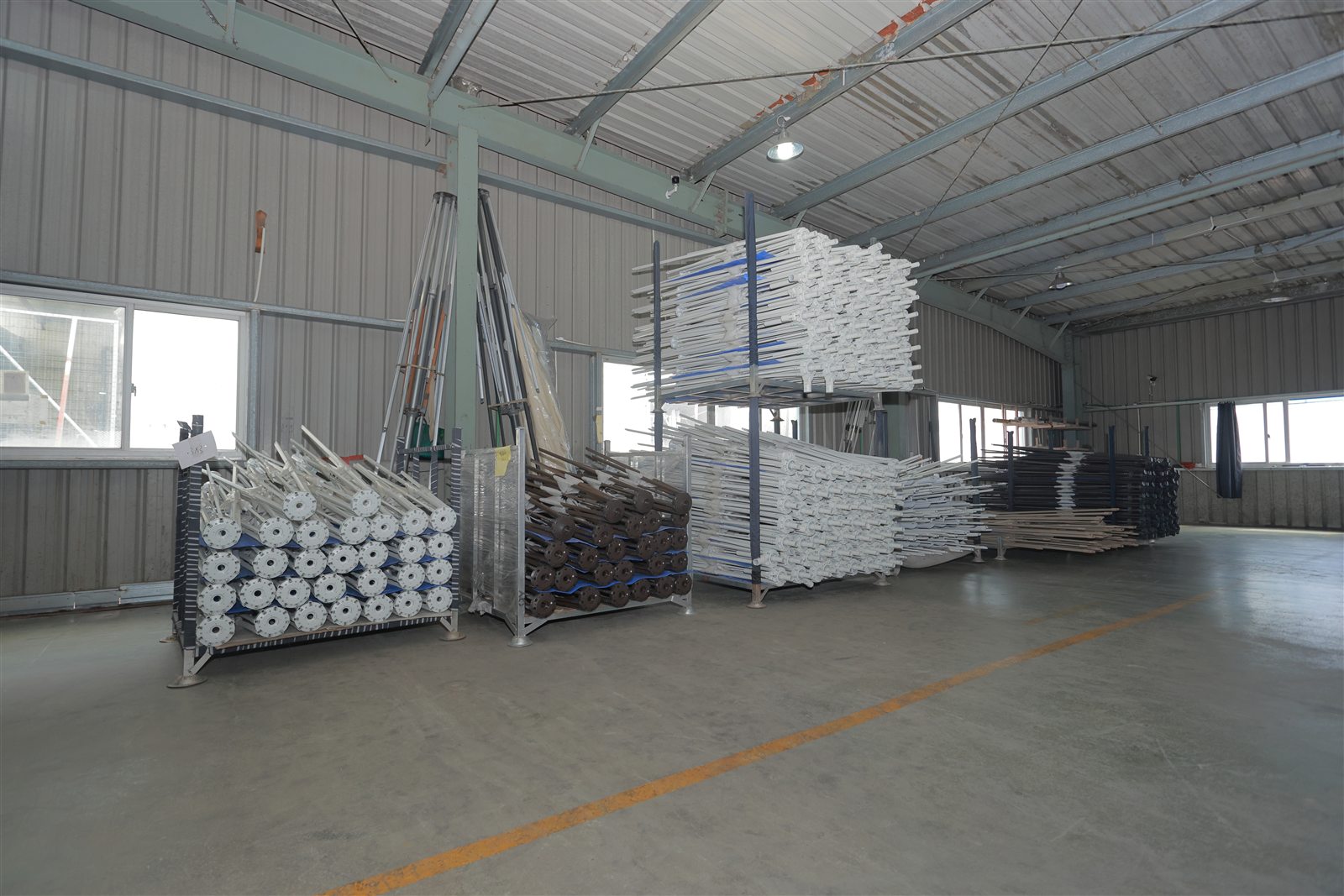
4. Inspecting completed units
Completed umbrellas are reviewed for specification, finish, operation and smart functions. Inspection focuses on the finished configuration rather than individual components alone. This can include opening and closing, canopy fit, lighting, controls and installed accessories.
Any required correction is easier to manage before the product enters final packing. Records and product identification can also support traceability across the order.
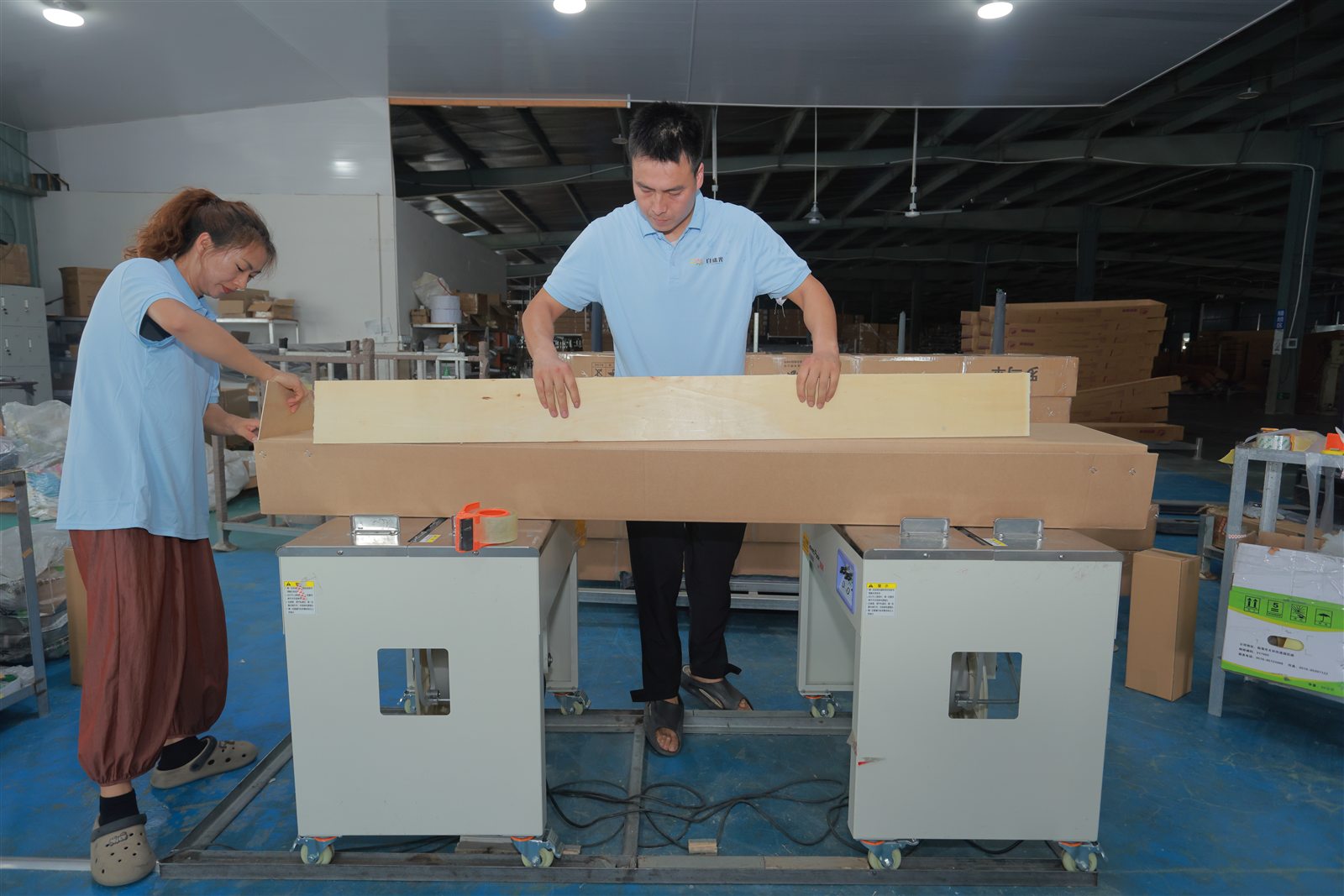
5. Protecting the product for transport
Commercial umbrellas combine long structural parts with finished surfaces and sensitive accessories. Protective materials help prevent abrasion and impact during handling. Components should be separated where necessary and packed so weight is distributed sensibly.
Accessory boxes, bases and electrical items must be identified clearly. For project deliveries, labels can help installation teams understand which items belong together without opening every package.
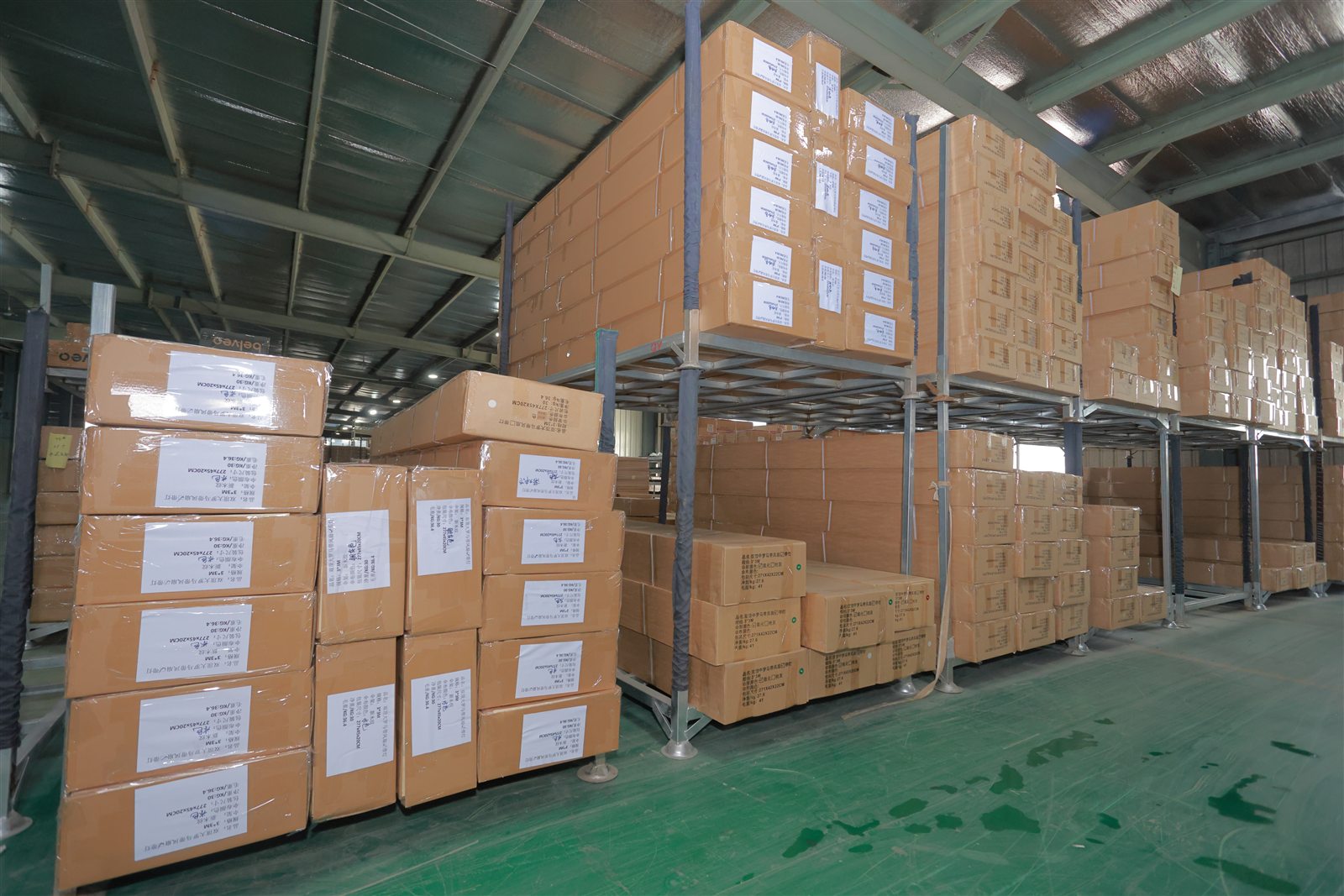
6. Preparing an installation-ready shipment
The final step is to check quantities, labels and shipping documentation against the order. A well-prepared shipment supports smoother receiving, inventory and installation at the destination.
For OEM/ODM customers, packaging can also carry agreed branding and market information. These details should be confirmed early enough to integrate them into production rather than delaying shipment at the end.
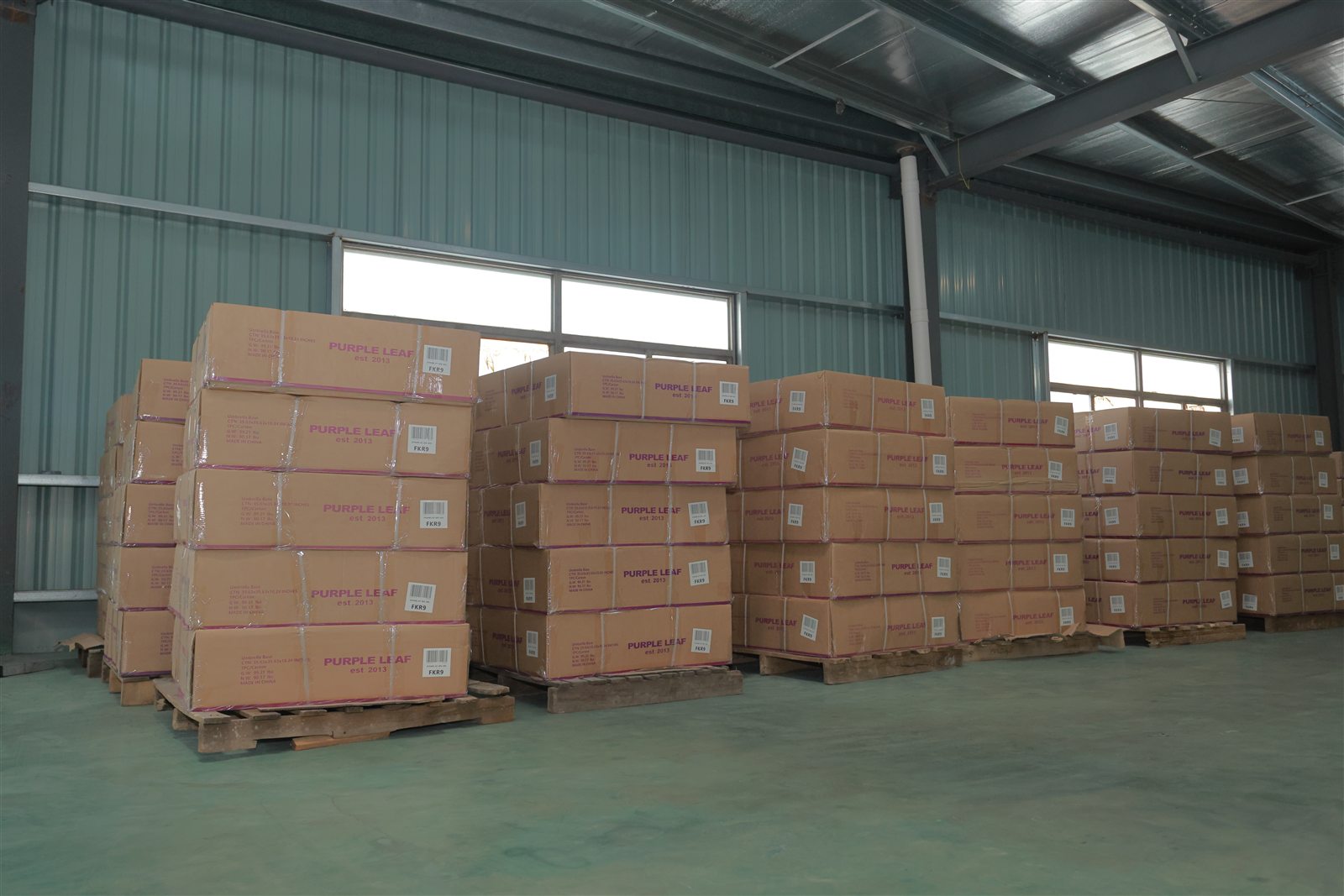
From approved sample to dependable delivery
OEM and ODM success is measured by repeatability. The factory must reproduce the approved design across the full order, protect it through transport and make the final system understandable when it reaches the customer.
Solargy connects product development, batch production, integrated inspection and export packing in one workflow. That gives partners a clearer route from concept and sample approval to commercial delivery.
Related Articles
 Solar Energy
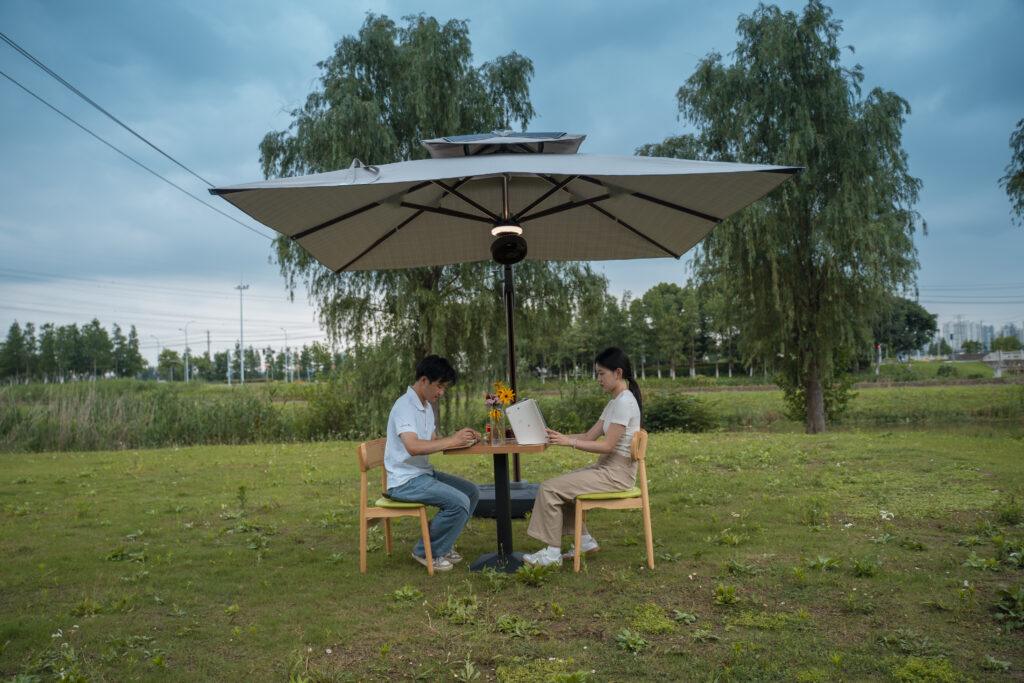
From Sunlight to Evening Comfort: How a Solar Umbrella Manages Energy
See how a solar umbrella manages energy from sunlight to evening comfort, using semi-flexible solar panels and smart power control for outdoor use.
Read More
Solar Energy
How Semi-Flexible Solar Panels Power a Smarter Outdoor Umbrella
See how semi-flexible solar panels power a smarter outdoor umbrella, turning sunlight into reliable energy for smarter outdoor comfort.
Read More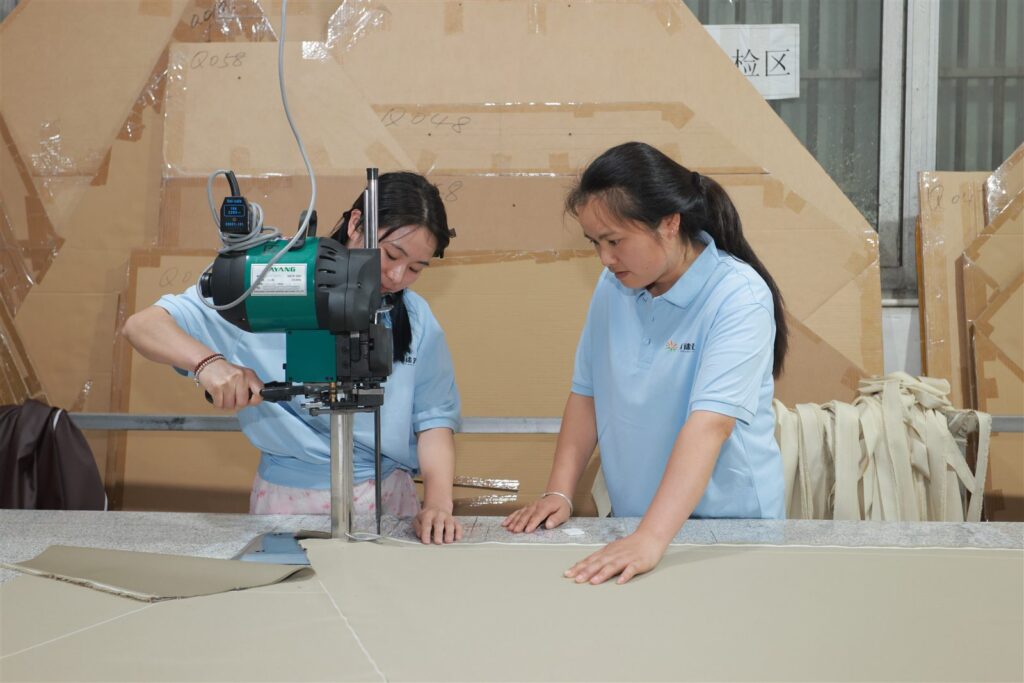 Factory
How a Commercial Patio Umbrella Canopy Is Cut, Sewn and Prepared
See how a commercial patio umbrella canopy is cut, sewn and prepared on Solargy's factory floor, from fabric cutting to final checks.
Read More Applications
What Guests Actually Notice Under a Smart Solar Umbrella
See what guests actually notice under a smart solar umbrella and how thoughtful design shapes comfort, shade and the outdoor experience.
Read More Solar Energy
From Sunlight to Charging: How Solar Panels and Batteries Power a Smart Solar Umbrella
See how solar panels and batteries work together in a smart solar umbrella, turning sunlight into charging power for outdoor energy use.
Read More Solar Energy
20W vs 40W Solar Umbrellas: How to Choose the Right Power Configuration
Compare 20W and 40W solar umbrella systems by energy demand, battery capacity and nightly runtime to choose the right setup for each outdoor application.
Read More