

News & Insights
In-depth articles, product stories, and thought leadership from Solargy.
From Aluminum Profile to Load-Bearing Frame: How Commercial Umbrella Structures Are Made
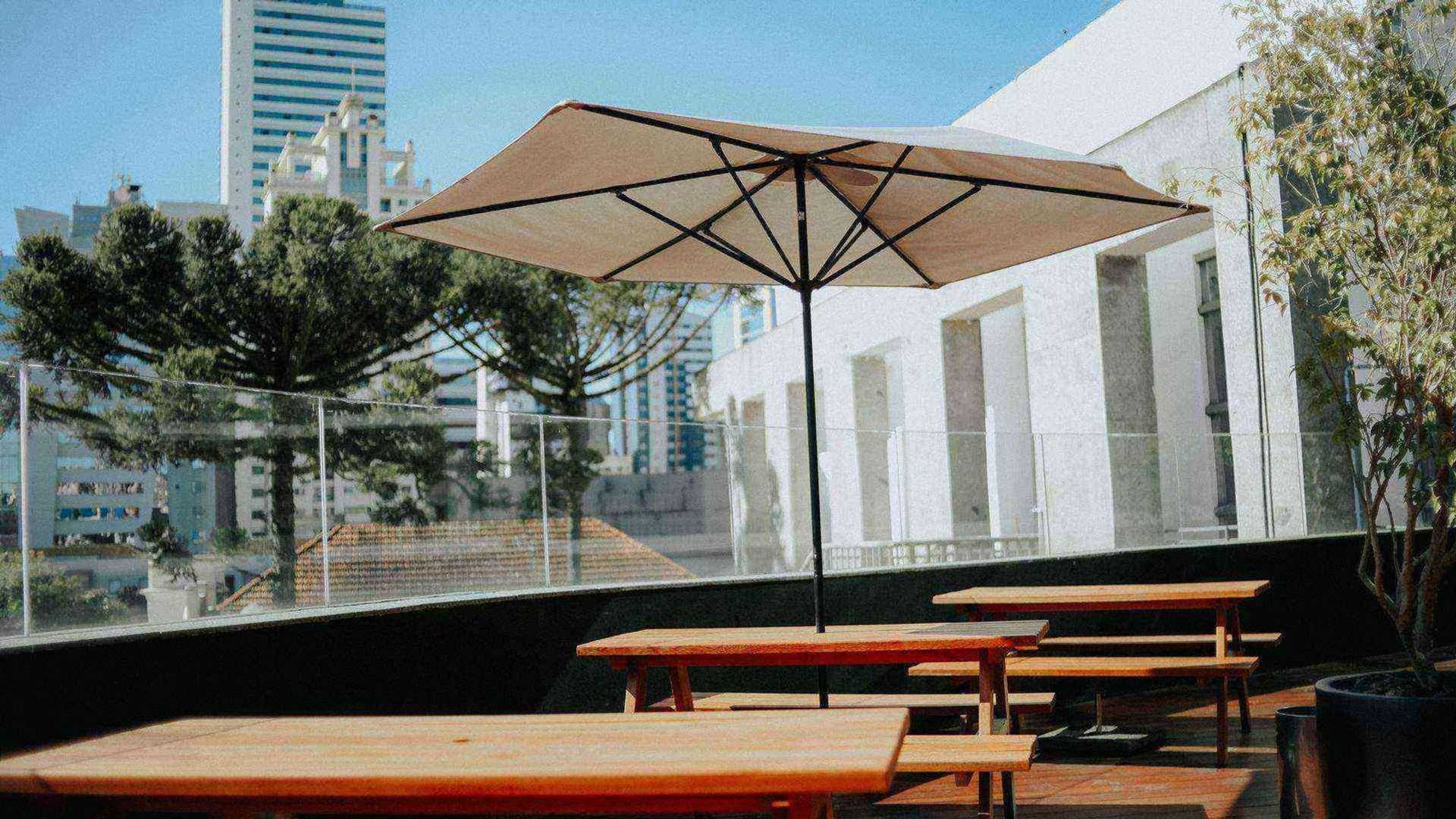
Commercial patio umbrellas are expected to do far more than provide shade for a few hours. In a hotel, restaurant, resort or public landscape project, the same structure may be opened, adjusted and closed every day through an entire outdoor season. That level of use places the frame at the center of product reliability.
At Solargy, frame manufacturing is treated as a connected process rather than a collection of isolated parts. Material selection, machining accuracy, surface protection and assembly fit all influence how smoothly the finished umbrella operates and how confidently it performs in a commercial setting.
1. Selecting the right structural material
Aluminum is widely used in premium outdoor umbrellas because it offers a practical balance of strength, corrosion resistance and manageable weight. The profile design also matters. Wall thickness, internal geometry and the shape of connection points must support the canopy while keeping the mechanism easy to operate.
For project buyers, the important question is not simply whether the frame is aluminum. It is whether the profile, component dimensions and overall structure have been selected for the intended canopy size, installation environment and daily operating frequency.
2. Cutting and machining for consistent fit
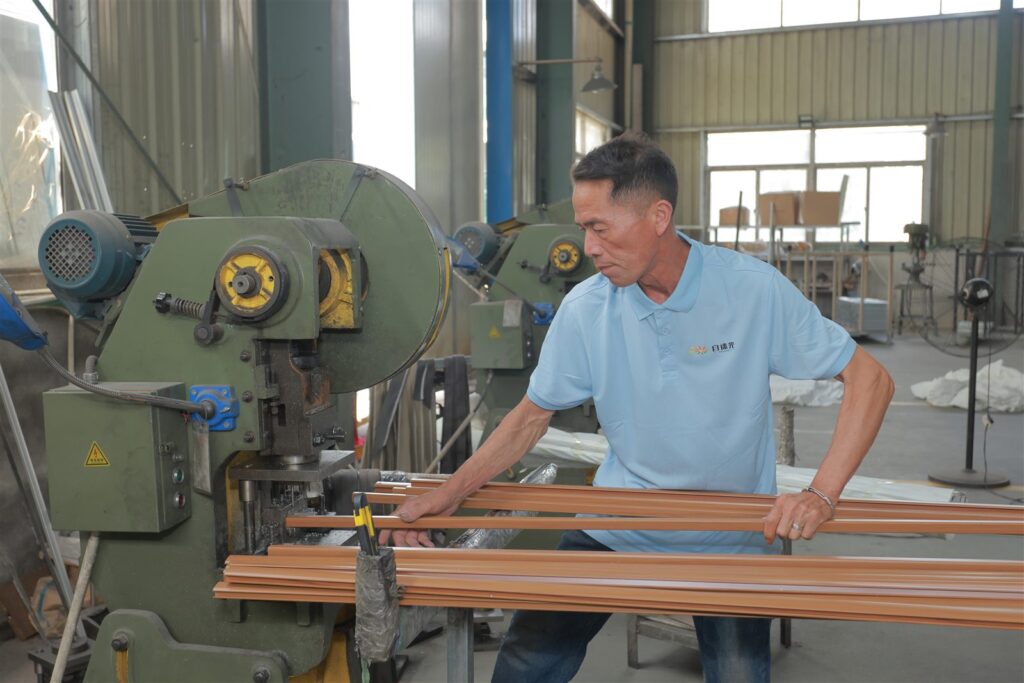
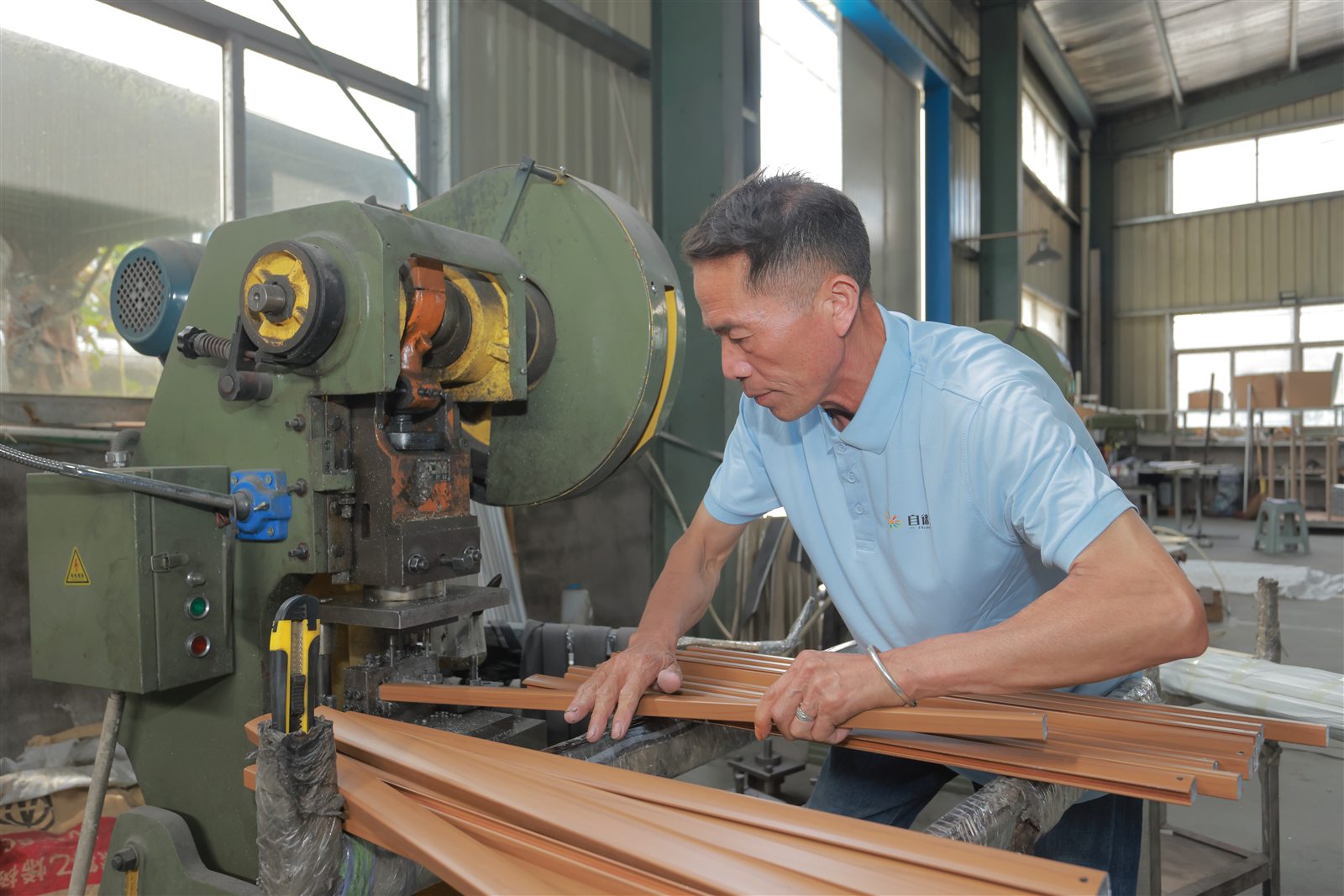
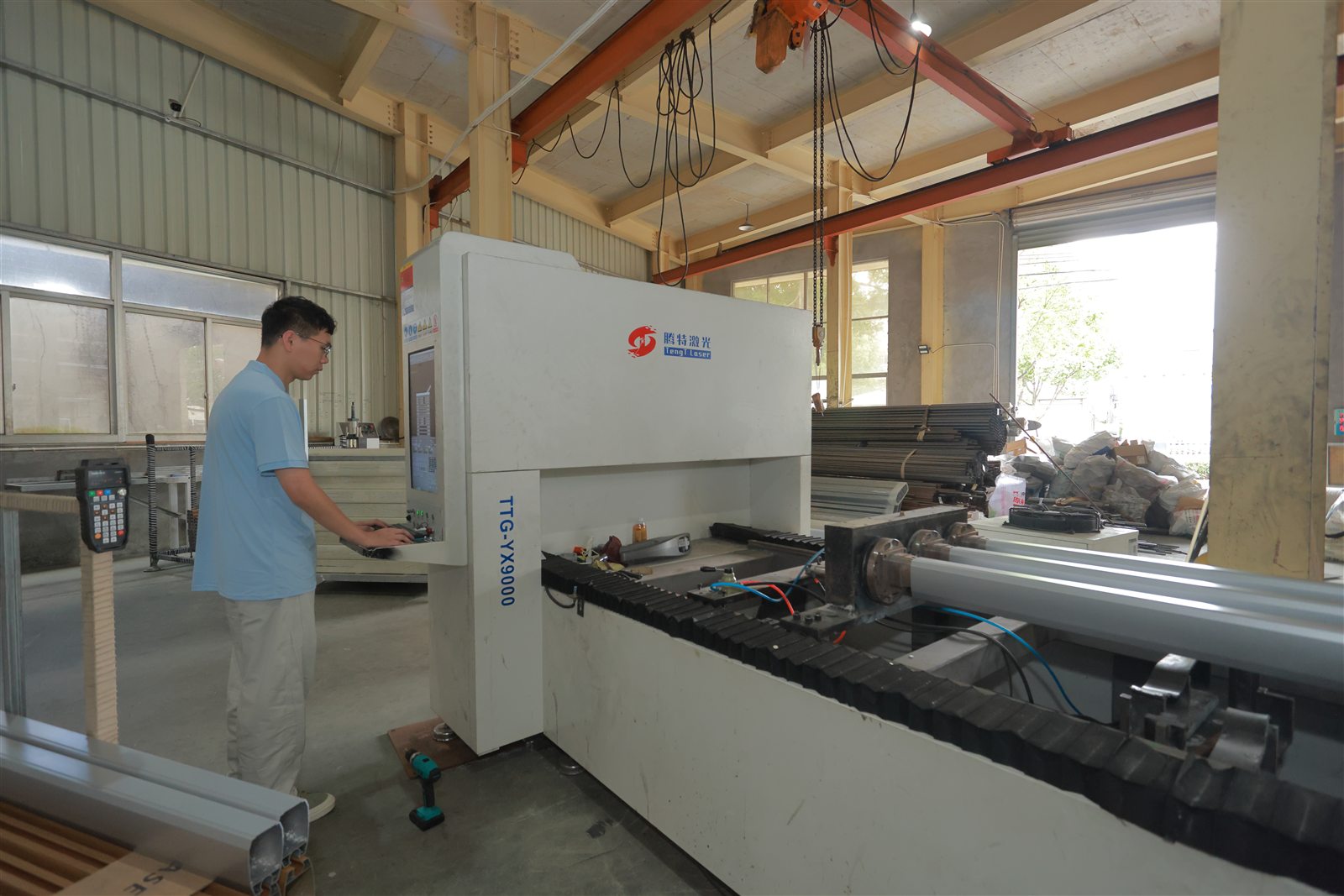
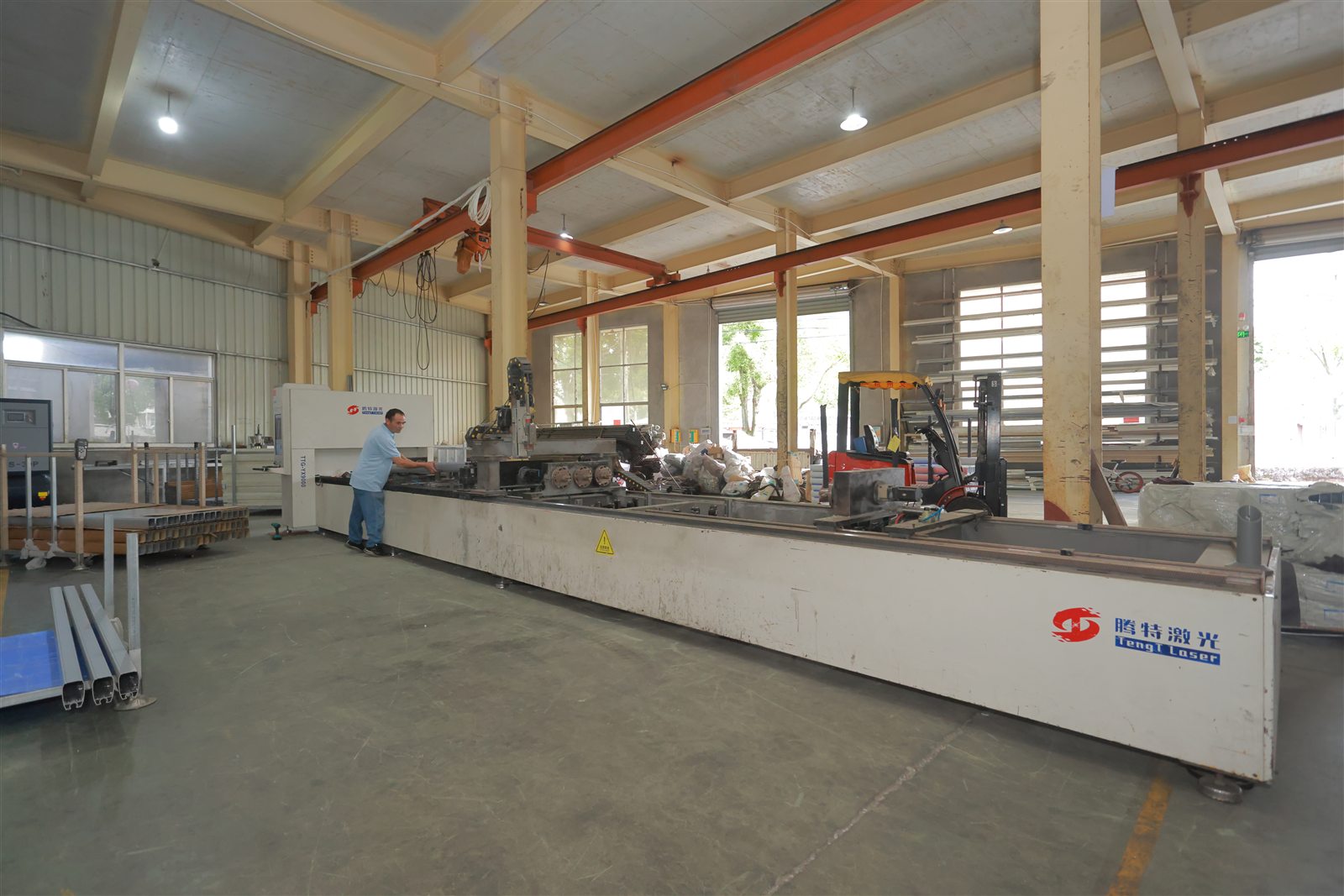
Once the material is selected, profiles are cut and machined to form the mast, cantilever arm, ribs and connection components. Small dimensional differences can accumulate during assembly, so repeatable cutting and accurate hole positions are essential.
Precision at this stage helps the finished product open evenly, keeps moving parts aligned and reduces unnecessary stress around joints. It also improves production consistency when a hospitality group, distributor or private-label brand needs multiple units to match across one project.
3. Preparing the surface for outdoor exposure
Outdoor structures face sunlight, rain, humidity, airborne dust and regular handling. Surface preparation and coating give the frame its finished appearance and help protect the metal in service. Uniform treatment is especially important around edges, joints and frequently touched areas.
Color is also part of project coordination. Neutral finishes can blend into hotel terraces and residential gardens, while customized colors can support a brand identity or landscape concept. For OEM and ODM orders, finish samples can be reviewed before batch production.
4. Building strength through the connection system
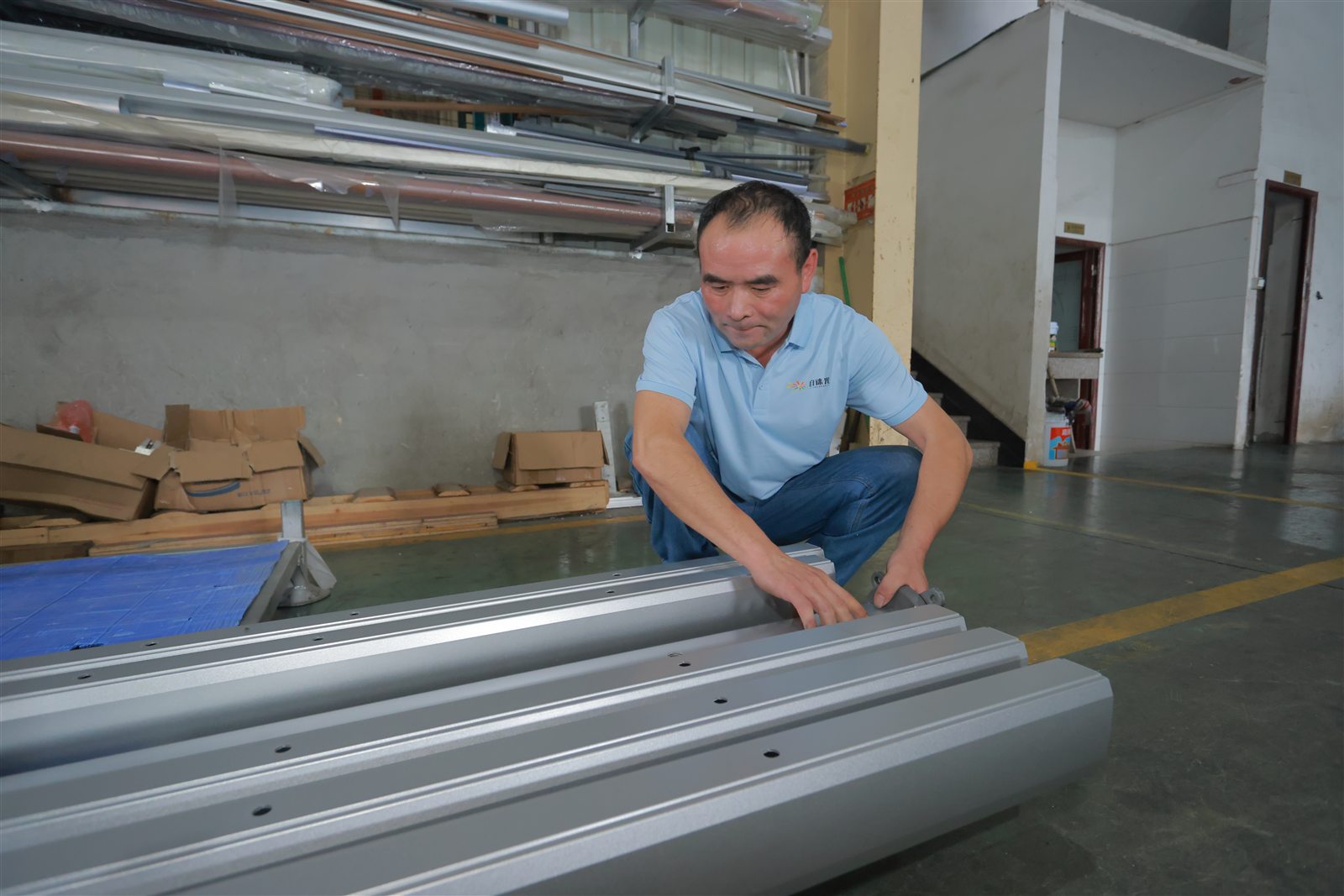
A cantilever umbrella transfers the weight of a large canopy through an offset arm and central mast. That makes the connection system critical. Brackets, fasteners, pivots and sliding mechanisms must work together without excessive play.
During assembly, technicians check component fit and movement through the operating range. Correct alignment supports smoother opening and closing, better canopy tension and more predictable long-term use. A robust frame is not defined by one oversized part; it comes from a complete system whose components are matched to each other.
5. Matching the frame to the real application
Commercial buyers should consider more than product dimensions. A seaside café may prioritize corrosion-resistant finishes and stable anchoring. A resort may need coordinated colors and convenient daily operation. A public-space project may focus on durable components and simplified maintenance. Solar lighting, fans, charging and control systems add further requirements for cable routing and component integration.
Solargy's manufacturing process connects structural design with the final use case. By reviewing canopy size, installation method, desired functions and expected operating conditions early, the factory can recommend a more appropriate frame configuration and reduce avoidable changes later.
The result is a commercial umbrella frame designed not only to look finished on delivery, but to support reliable use throughout the project lifecycle.
Related Articles
 Applications
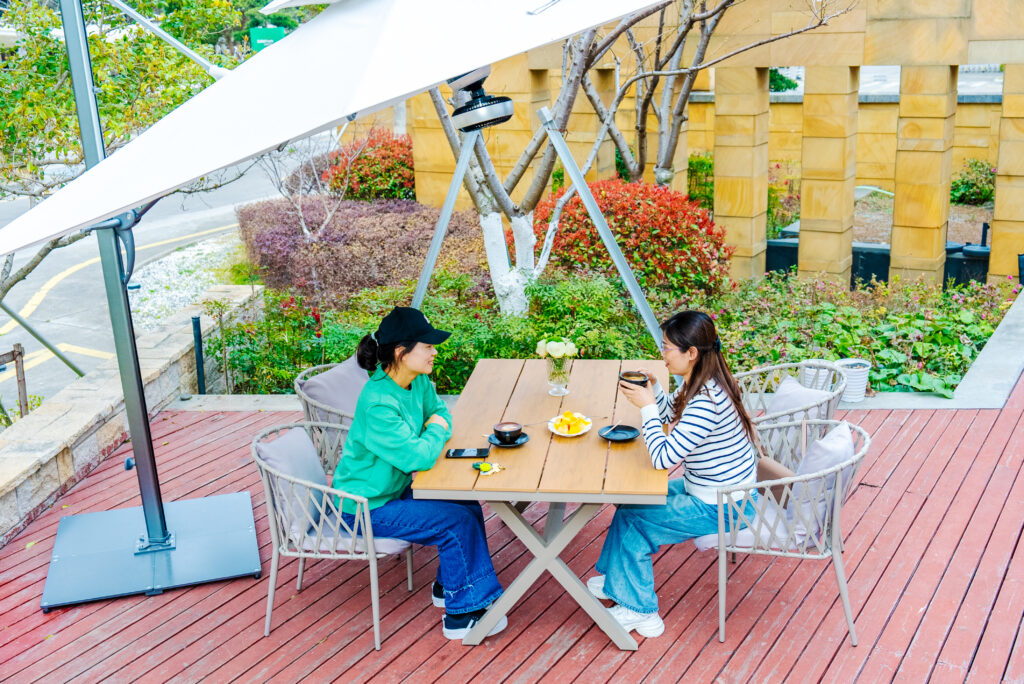
What Guests Actually Notice Under a Smart Solar Umbrella
See what guests actually notice under a smart solar umbrella and how thoughtful design shapes comfort, shade and the outdoor experience.
Read More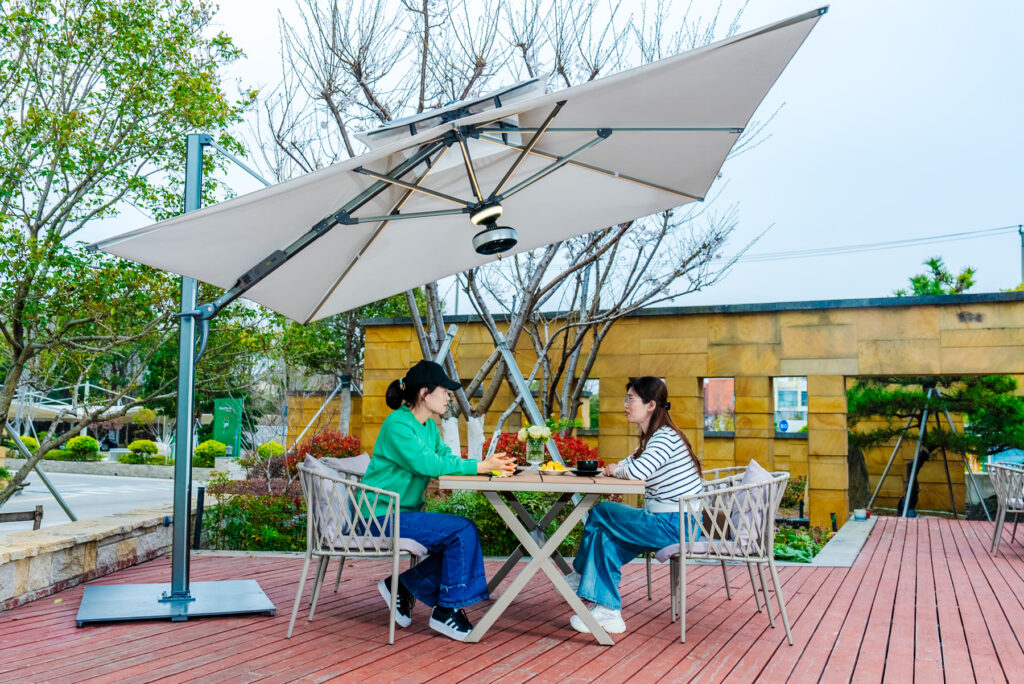 Applications
More Than Shade: How Solar Umbrellas Increase Guest Dwell Time and Commercial Value
See how solar umbrellas add shade, airflow, lighting and charging to commercial patios, helping cafés, resorts and villas extend guest dwell time.
Read More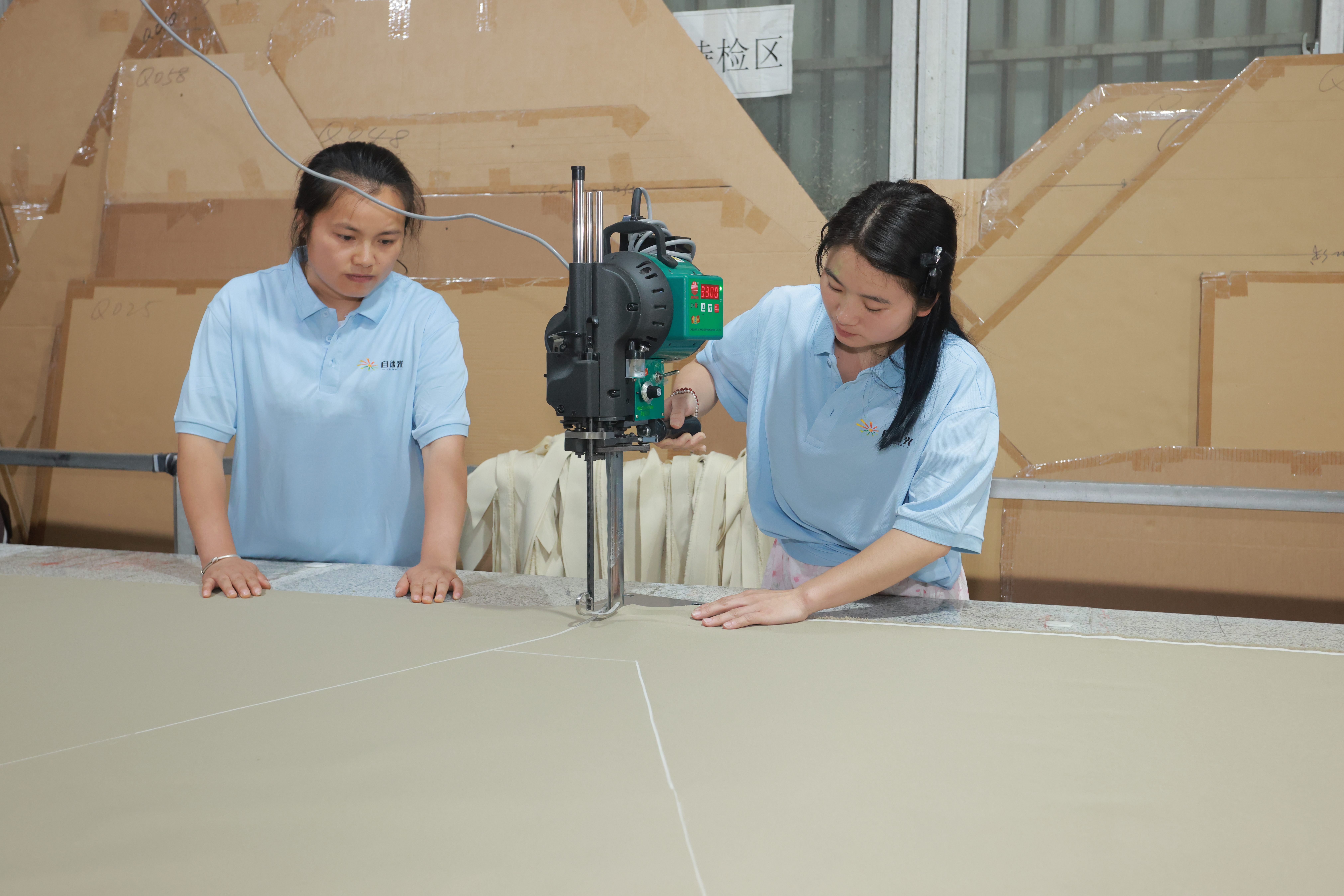 Factory
OEM and ODM Solar Umbrella Customization: What Buyers Can Specify
See what buyers can specify for OEM and ODM solar umbrella customization, from patio umbrella options to ODM manufacturing details.
Read More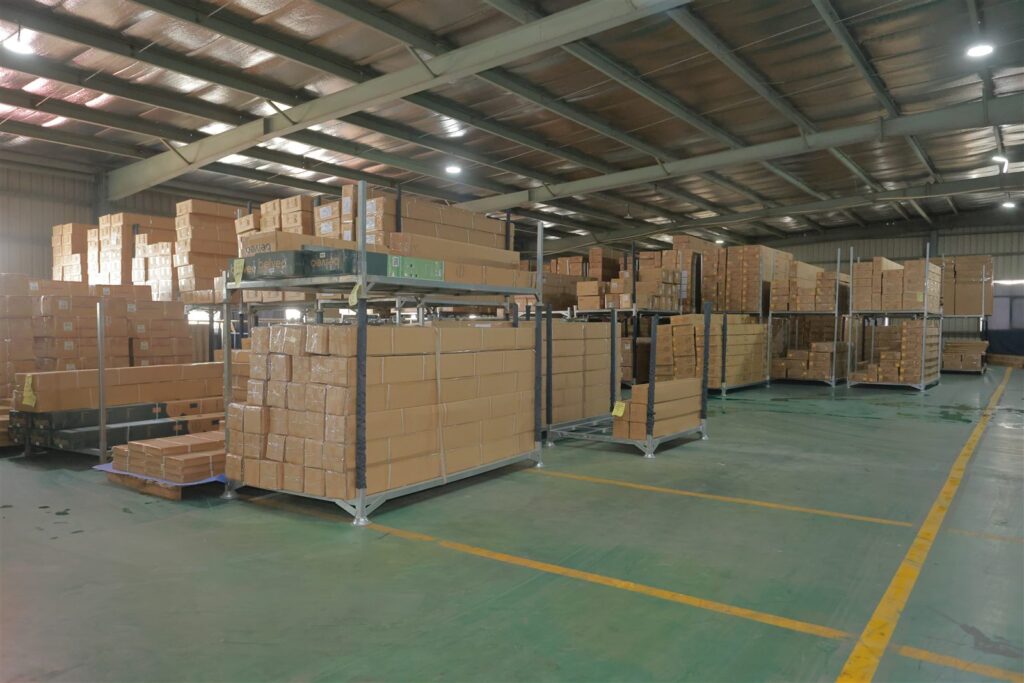 Factory
How OEM/ODM Solar Umbrella Orders Move from Batch Production to Export Packing
See how OEM/ODM solar umbrella orders move from batch production to export packing, with factory workflow steps for custom solar umbrella projects.
Read More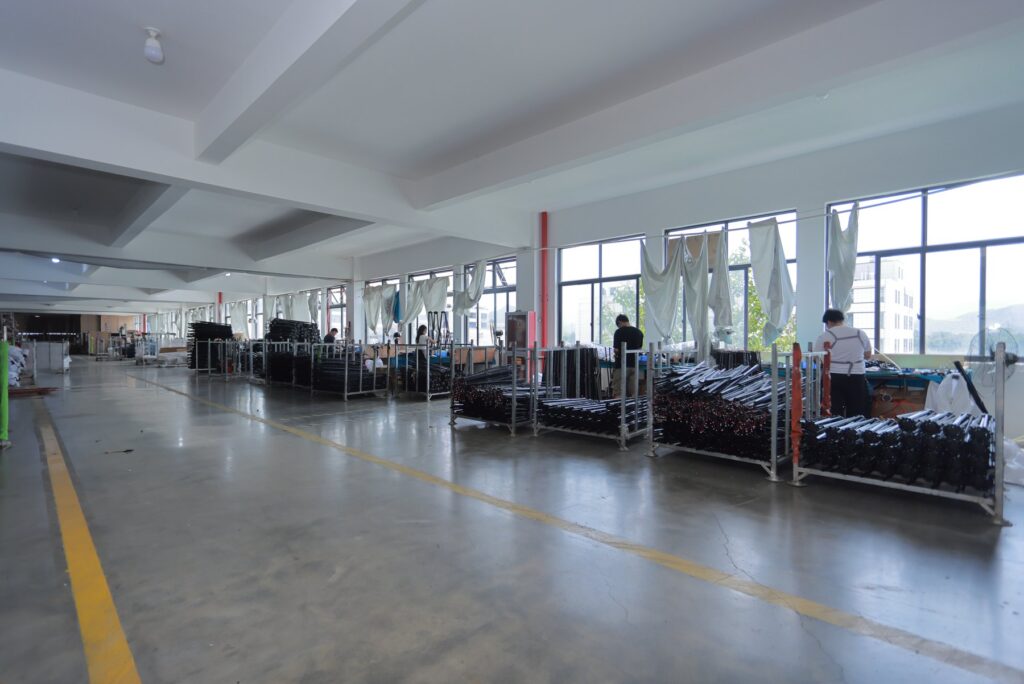 Factory
What Makes a Solar Umbrella Commercial-Grade? 7 Details Buyers Should Inspect
Inspect frame load paths, canopy seams, solar sizing and controls to tell a commercial-grade solar umbrella from a residential one before you buy.
Read More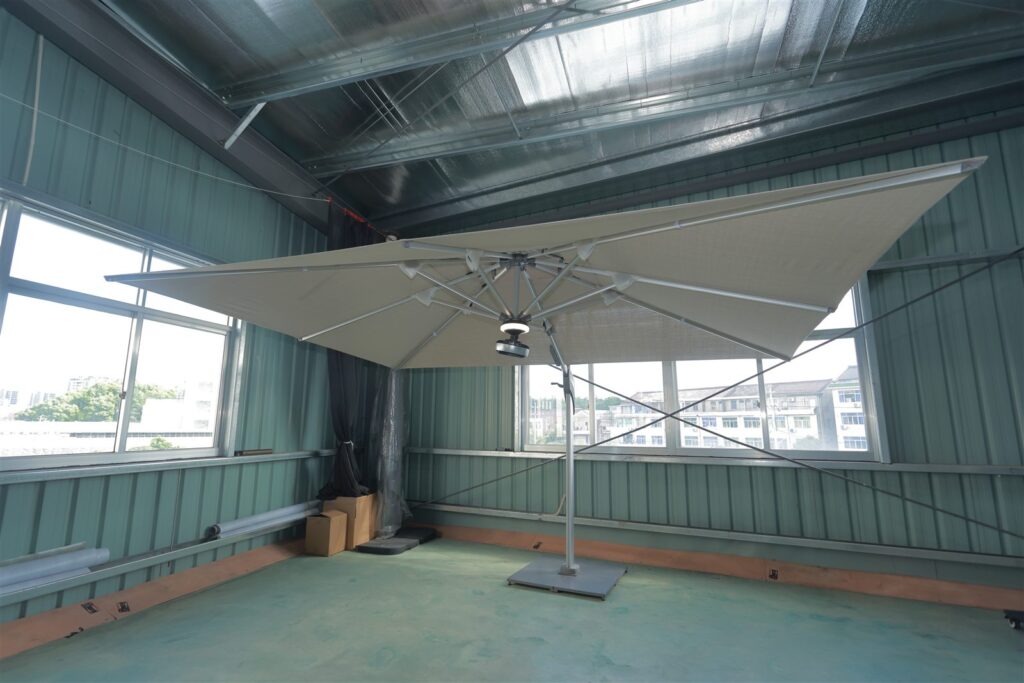 Factory
What We Test Before a Smart Solar Umbrella Leaves the Factory
See the checks a smart solar umbrella undergoes before leaving the factory, from components to final testing, ensuring reliable outdoor performance.
Read More