

News & Insights
In-depth articles, product stories, and thought leadership from Solargy.
From Daylight Shade to Evening Ambience: Extending the Life of a Patio
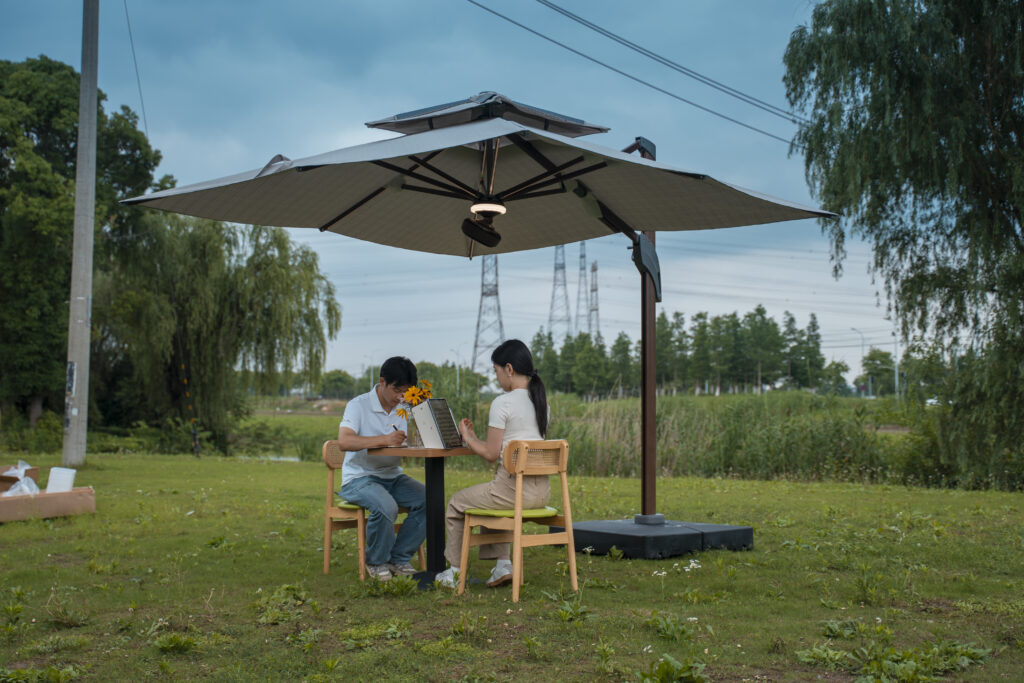
A well-designed patio should not stop working when the sun goes down. Shade is the priority at midday, but evening use depends on lighting, comfort and a layout that still feels welcoming after natural light fades.
Start with daytime comfort
A cantilever umbrella creates a broad shaded area while keeping the central seating zone open. The offset column allows tables and chairs to be arranged with fewer obstructions, and a rotatable structure helps the canopy adapt as the sun changes position.
On smart models, the photovoltaic module collects solar energy during daylight hours. That energy is stored for the umbrella’s configured fan, lighting, audio and USB functions.
Create useful light beneath the canopy
Central lighting provides practical illumination for dining, reading or conversation. It focuses light where guests need it without requiring a temporary lamp or cable across the floor.
Use ambient light to define the space
Rib lighting spreads illumination across the geometry of the canopy. The result is both functional and visual: the umbrella becomes a clear focal point, and the seating area feels intentionally designed rather than simply left open after dark.
Plan the energy load around the guest experience
Lighting, fan speed, Bluetooth audio and device charging create different demands on the battery. Commercial operators should consider the expected hours of use, local sunlight and which functions will be used at the same time. A 20W or 40W photovoltaic configuration can then be selected to suit the platform and application.
Useful applications
- Restaurant terraces that operate from lunch through dinner.
- Hotel and resort seating areas used throughout the day.
- Poolside or garden lounges with limited access to fixed wiring.
- Residential patios designed for evening entertaining.
Solar integration does not replace thoughtful space planning, but it gives designers and operators more freedom. With shade, airflow, lighting and power combined in one product, an outdoor area can provide a more consistent experience from afternoon sun to evening ambience.
Related Articles
 Applications
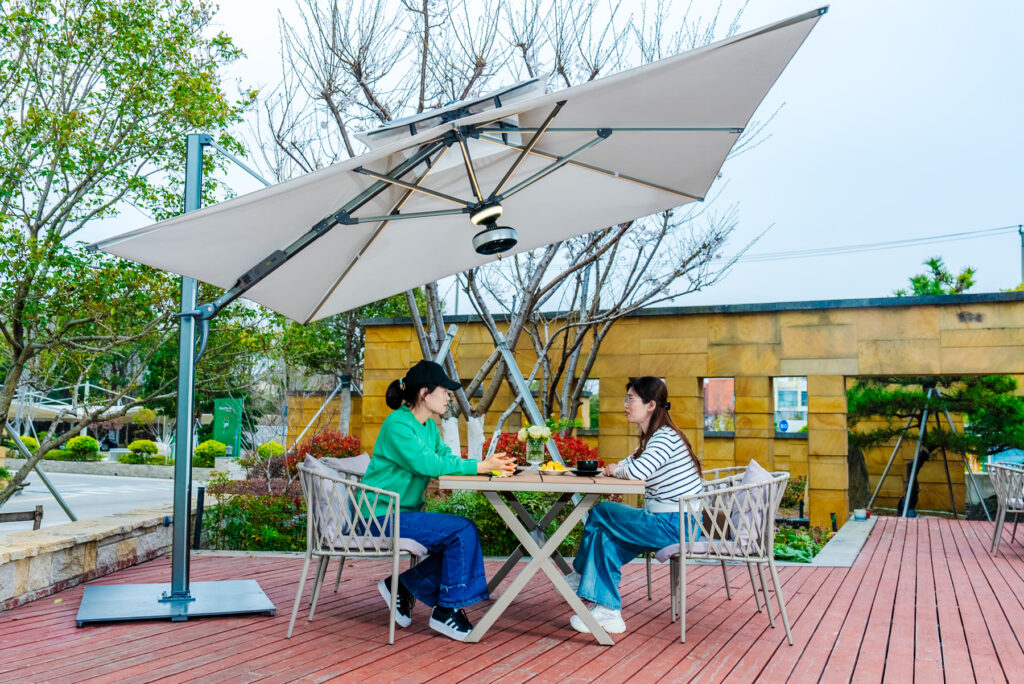
More Than Shade: How Solar Umbrellas Increase Guest Dwell Time and Commercial Value
See how solar umbrellas add shade, airflow, lighting and charging to commercial patios, helping cafés, resorts and villas extend guest dwell time.
Read More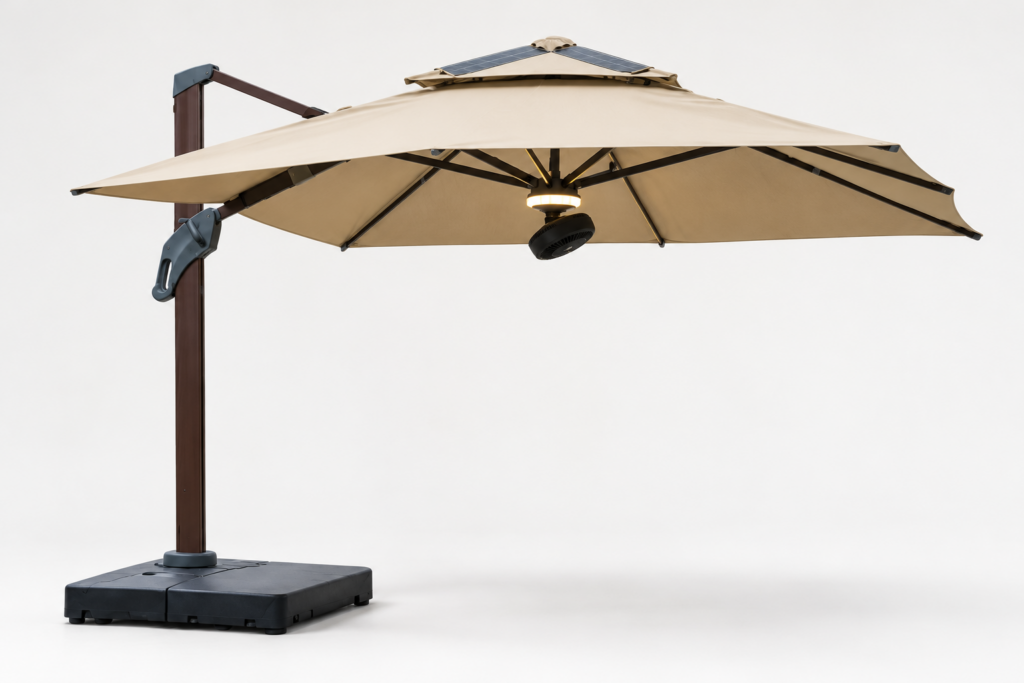 Solar Energy
From Sunlight to Charging: How Solar Panels and Batteries Power a Smart Solar Umbrella
See how solar panels and batteries work together in a smart solar umbrella, turning sunlight into charging power for outdoor energy use.
Read More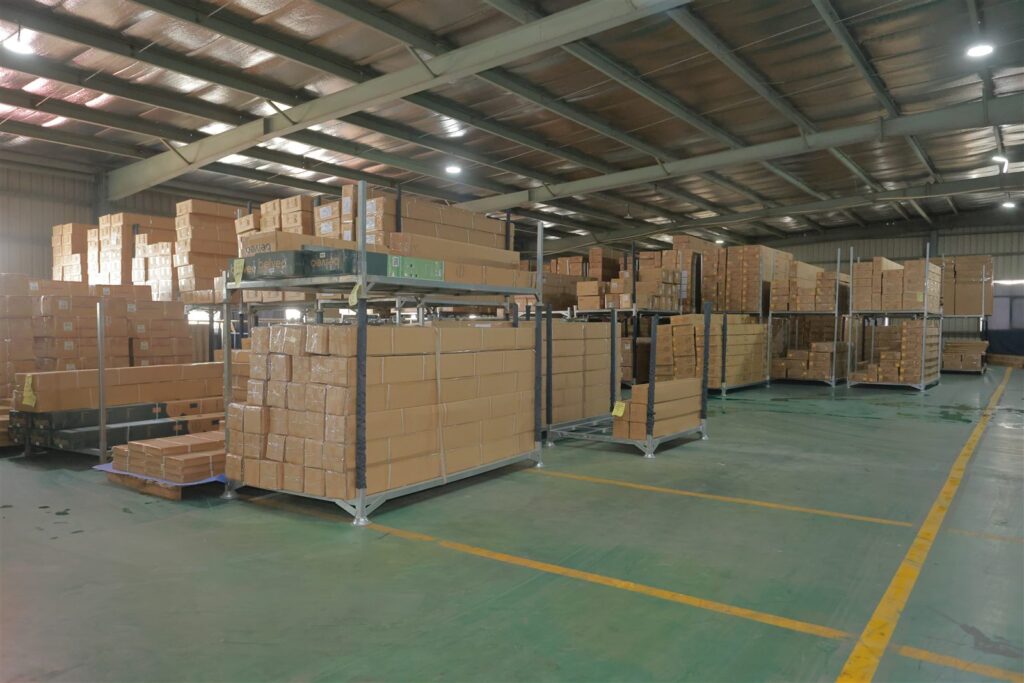 Factory
How OEM/ODM Solar Umbrella Orders Move from Batch Production to Export Packing
See how OEM/ODM solar umbrella orders move from batch production to export packing, with factory workflow steps for custom solar umbrella projects.
Read More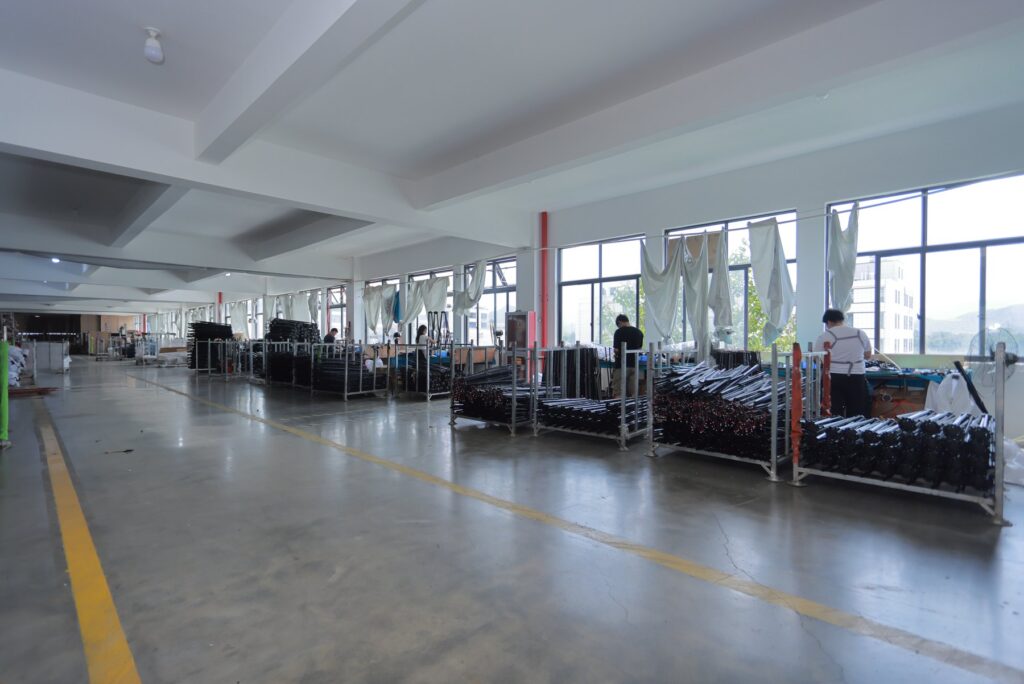 Factory
What Makes a Solar Umbrella Commercial-Grade? 7 Details Buyers Should Inspect
Inspect frame load paths, canopy seams, solar sizing and controls to tell a commercial-grade solar umbrella from a residential one before you buy.
Read More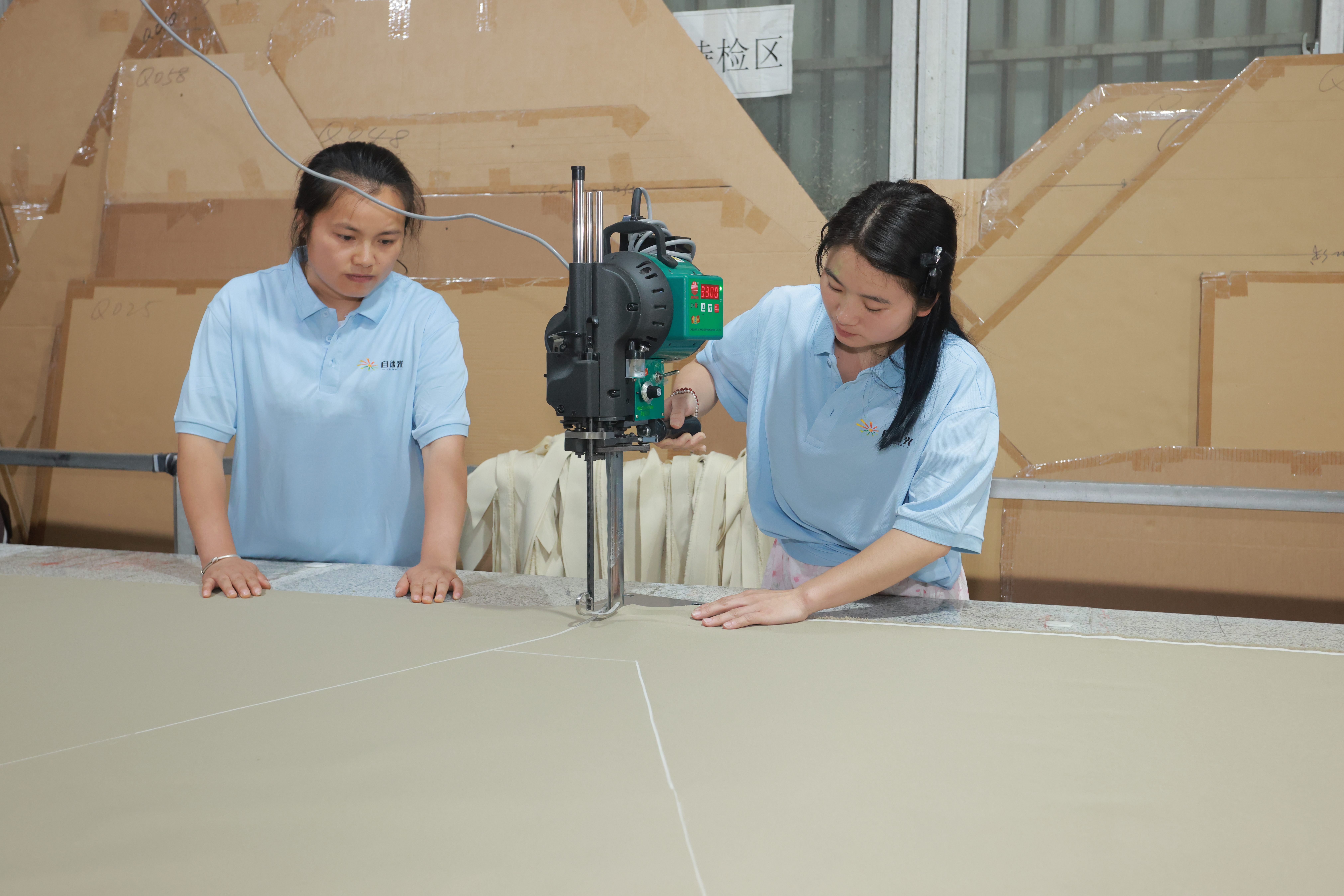 Factory
OEM and ODM Solar Umbrella Customization: What Buyers Can Specify
See what buyers can specify for OEM and ODM solar umbrella customization, from patio umbrella options to ODM manufacturing details.
Read More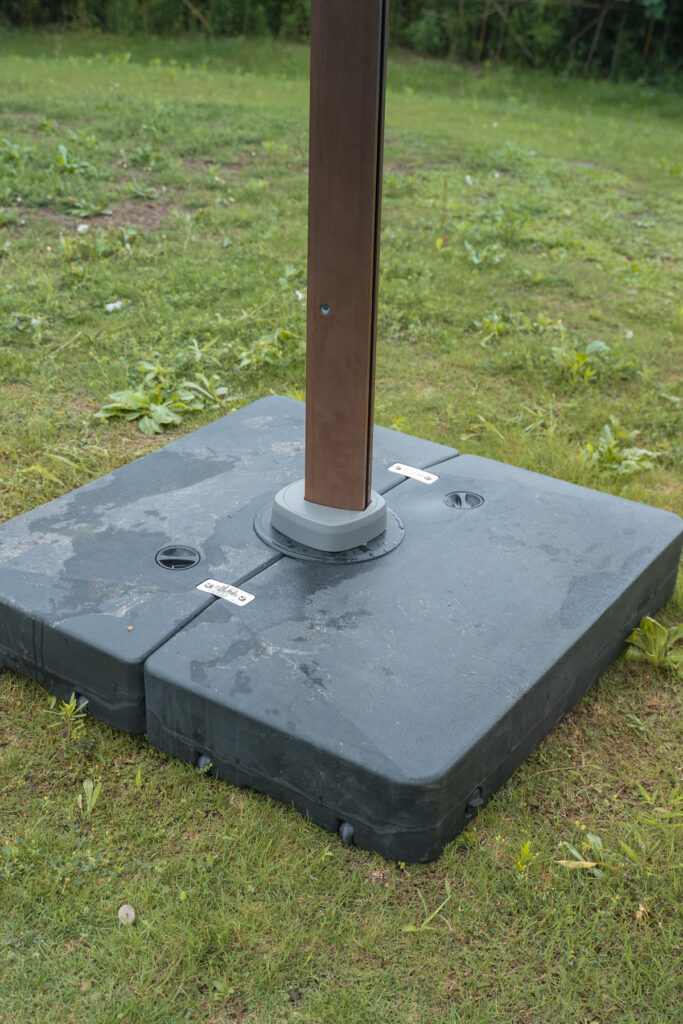 Applications
Portable Stability: How a Water-Fillable Base Supports Cantilever Solar Umbrellas
See how Solargy's water-fillable base adds on-site ballast to cantilever solar umbrellas, making delivery, positioning and seasonal storage easier.
Read More